
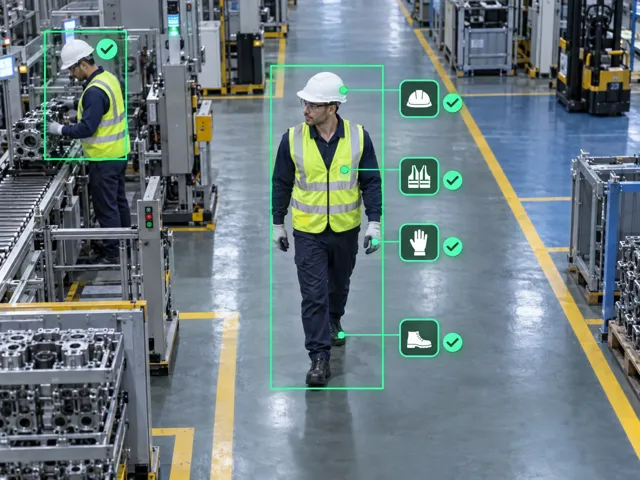
PPE present
Check visible helmets and reflective vests in configured work areas.

Use compatible CCTV to flag configured safety events, count people and goods, check vehicles, and route timestamped evidence to the right team.
PPE, restricted zones, after-hours access, and fire or smoke scoped to the areas your team needs to monitor.
Check visible helmets and reflective vests in configured work areas.
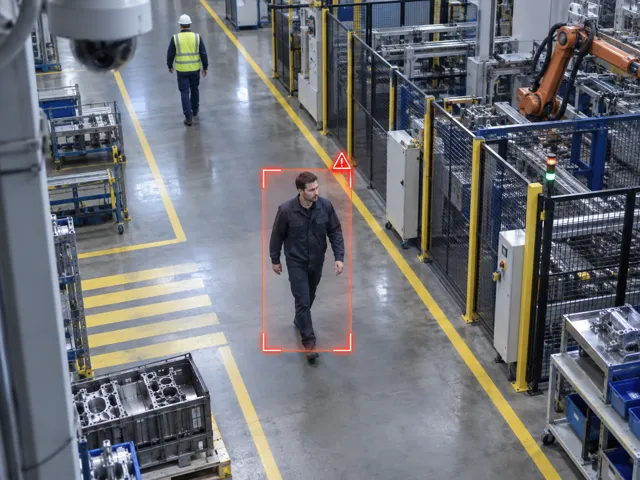 PPE alert
Flag required equipment that is not visible for supervisor review.
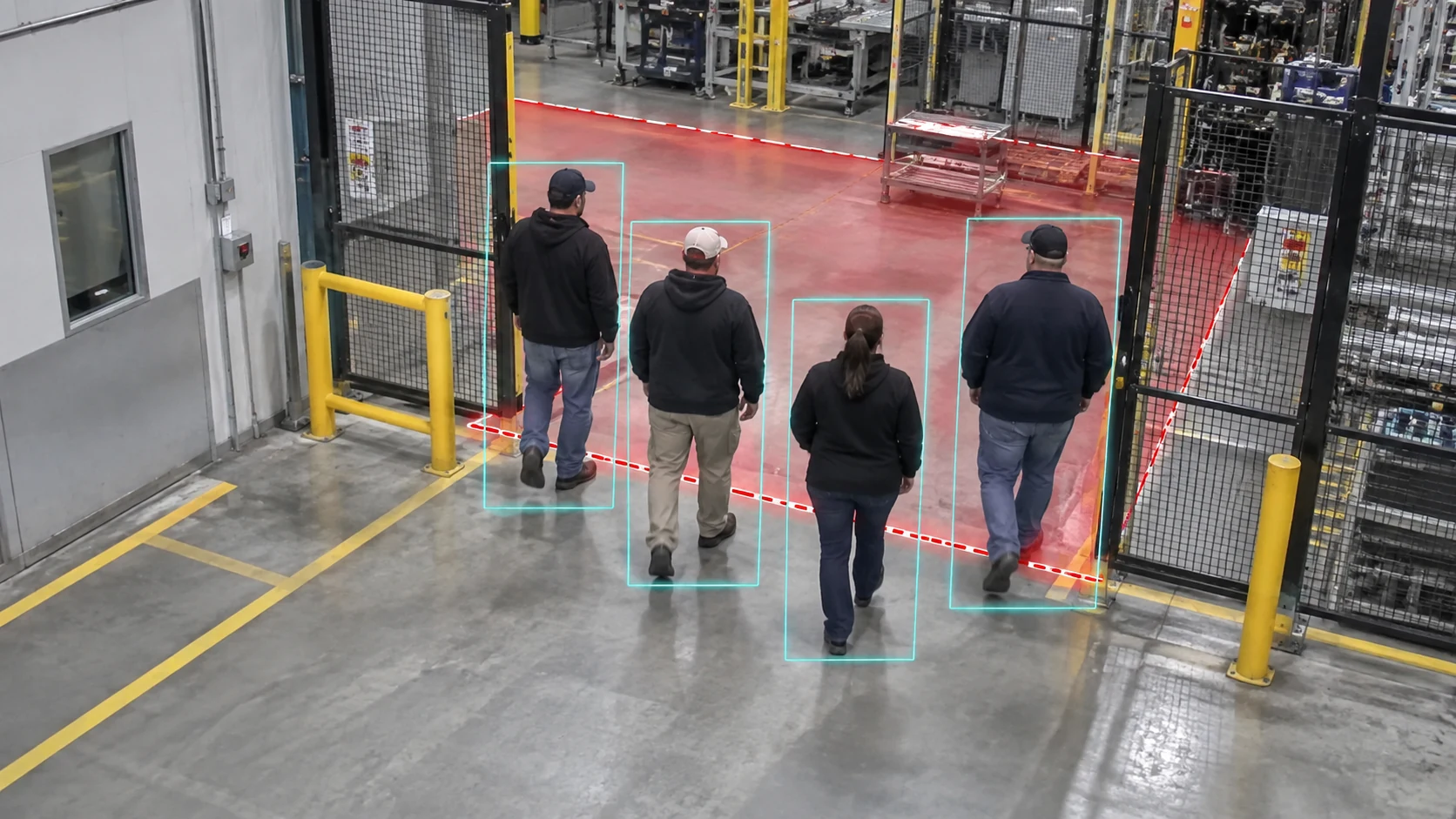
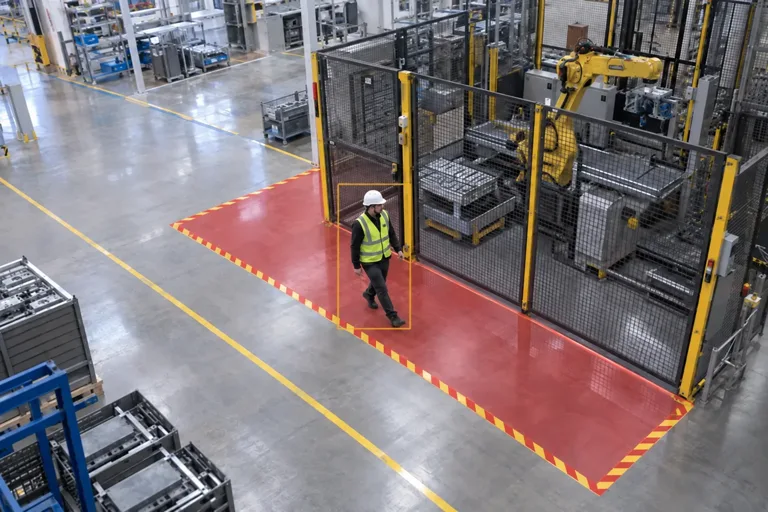 Zone warning
Notify supervisors when someone crosses a configured warning boundary near restricted machinery.
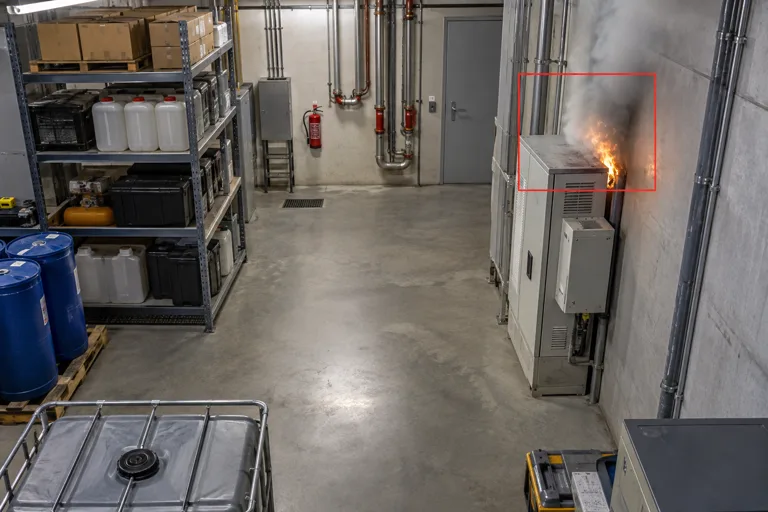 Fire / smoke alert
Flag visible fire or smoke, supplementing the plant's existing safety systems.
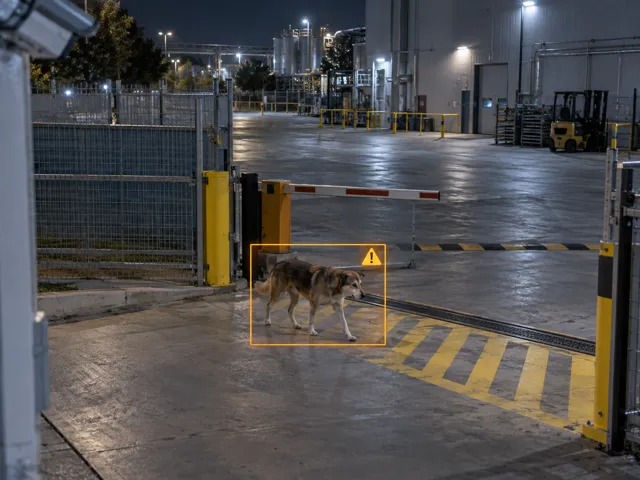 Boundary event
Detect animals crossing selected gate or yard boundaries.
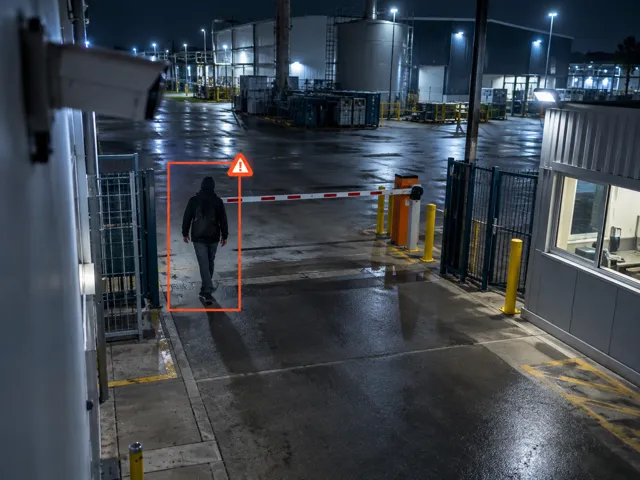 Entry alert
Highlight people entering configured areas outside permitted hours.
Warning boundaries and operating hours are configured for each site.
Track people by zone and record goods crossing an agreed loading or unloading boundary.
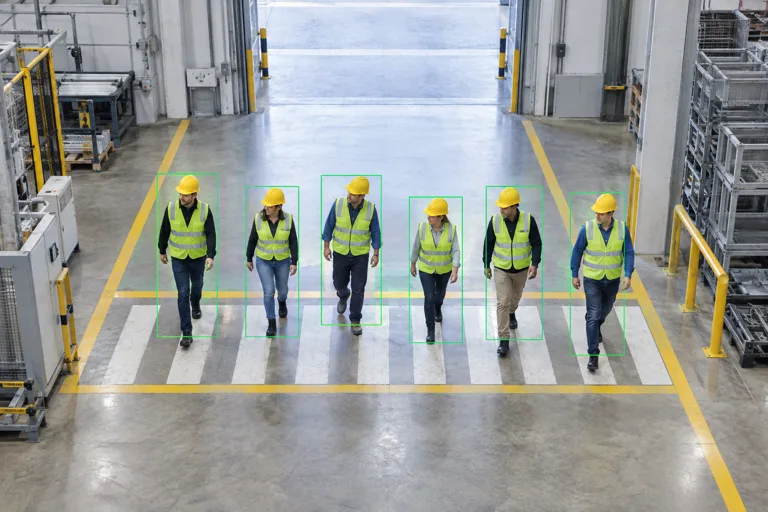 Zone occupancy
Count people by zone, track entry/exit, and flag occupancy thresholds.
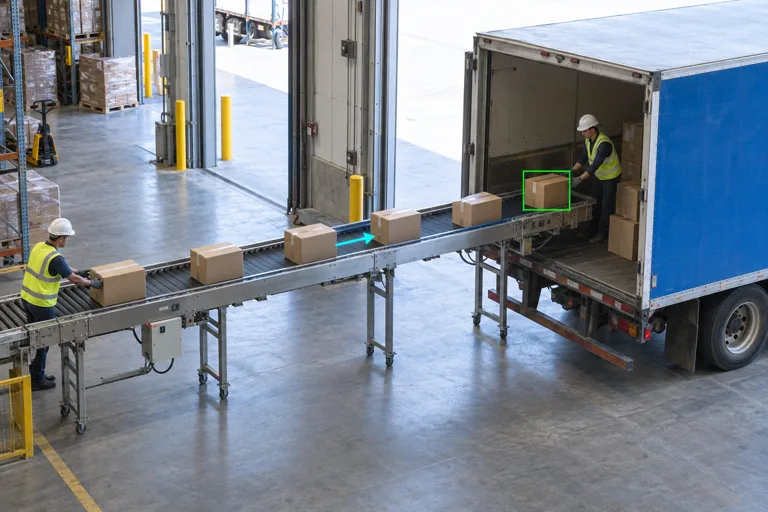 Into the truck
Count configured goods units crossing the loading boundary into a truck.
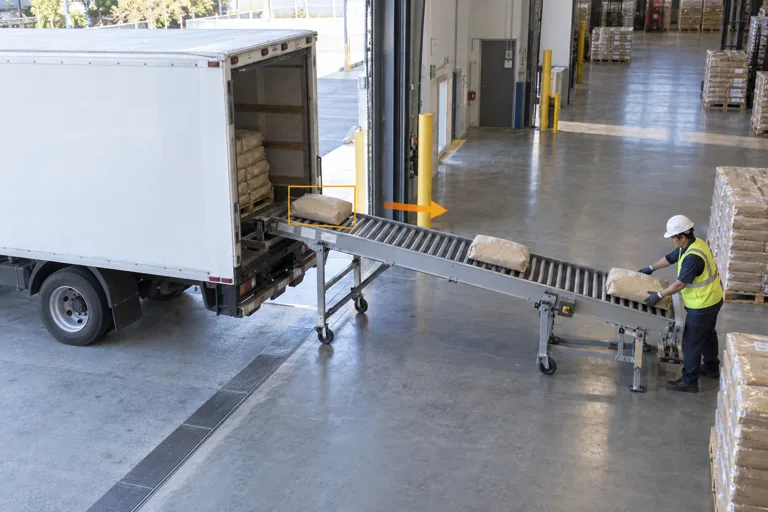 Out of the truck
Count goods leaving a truck, with unloading totals recorded separately.
Headcount measures occupancy, not employee identity. Counting units and camera views are validated on site.
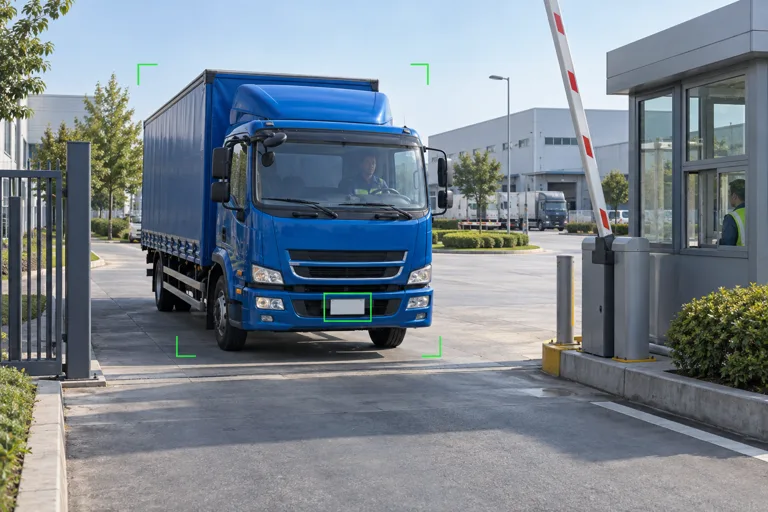 Registry match
Match a readable number plate against the plant's approved vehicle list.
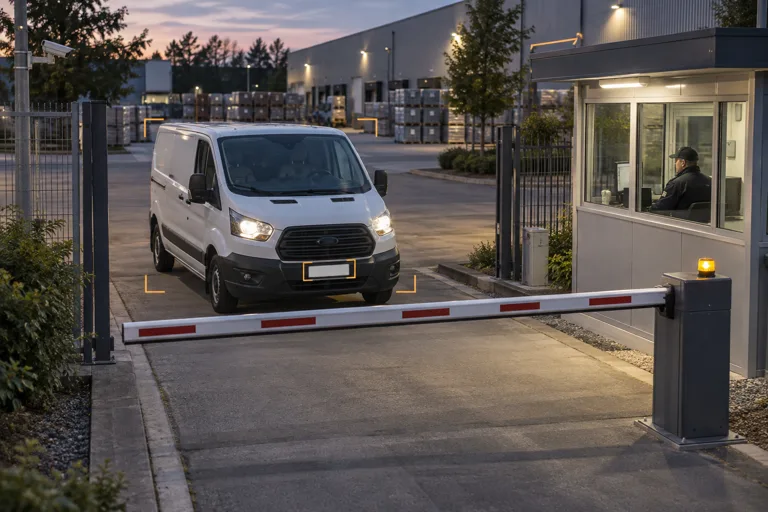 No registry match
Flag a readable plate with no approved-list match for security review.
An unreadable plate is marked for review, not treated as an unregistered vehicle.
Safety alerts, count thresholds, loading and unloading updates, and unmatched vehicles follow the response rules agreed for your plant.
A configured event or threshold is reached.
Attach the camera, time, and event details.
Route the update to the configured recipients.
Assign an owner and record the response.
Choose recipients, thresholds, and escalation rules. Counts can trigger configured updates, not a notification for every item.
Compute sizing follows stream count, resolution, concurrent scenarios, and evidence-retention requirements.
Select scenarios.
Prepare streams and compute.
Test agreed conditions.
Train your team.
Compatible RTSP / ONVIF feeds are assessed for coverage, lighting, and image quality.
Visible cartons, bags, crates, or pallets crossing agreed boundaries. Validate each unit and camera view on site.
Local detection and evidence stay on site. External notification channels require their agreed connectivity.
Test representative scenes, tune boundaries and thresholds, and review evidence before acting.
A tailored proposal covers cameras, scenarios, compute requirements, integrations, and support.
Discuss your streams, scenarios, and on-site requirements with the NeoBram team.
Book a demo