The Diagnostic Challenge
Radiologists review up to 100 studies per day, each containing hundreds of images. Fatigue and volume lead to missed findings - studies show a 3-5% miss rate for significant abnormalities. AI Medical Imaging is the safety net.
How AI Diagnostics Work
AI Diagnostics Healthcare systems use deep learning models trained on millions of annotated medical images:
- Cancer detection - identifying tumors in mammograms, CT scans, and MRIs with 95%+ sensitivity
- Fracture detection - catching subtle fractures in X-rays that might be overlooked
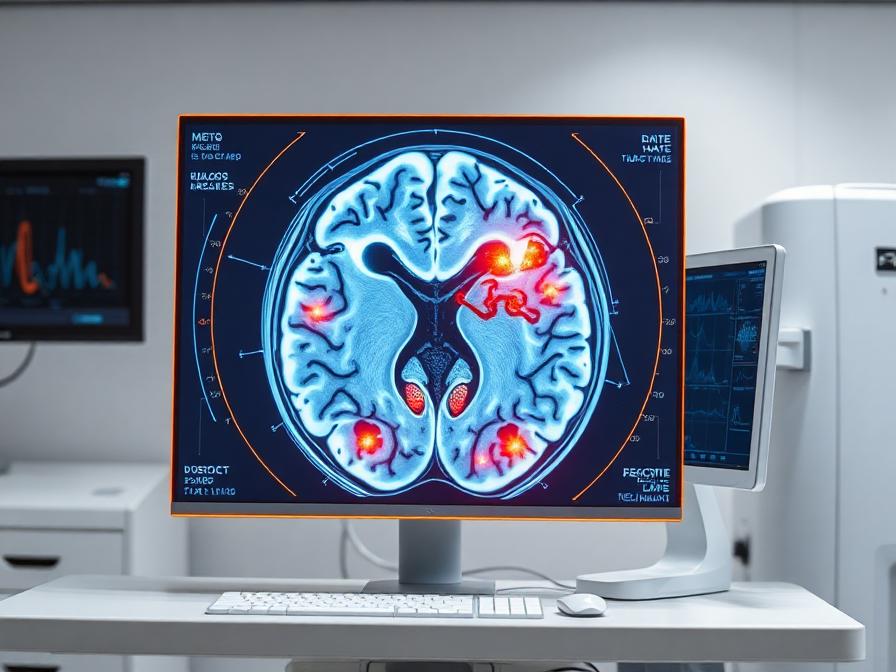
- Neurological analysis - quantifying brain atrophy, detecting stroke, and identifying aneurysms
- Cardiac assessment - automated echocardiogram analysis and coronary calcium scoring
- Retinal screening - detecting diabetic retinopathy and macular degeneration
Deep Learning Radiology Architecture
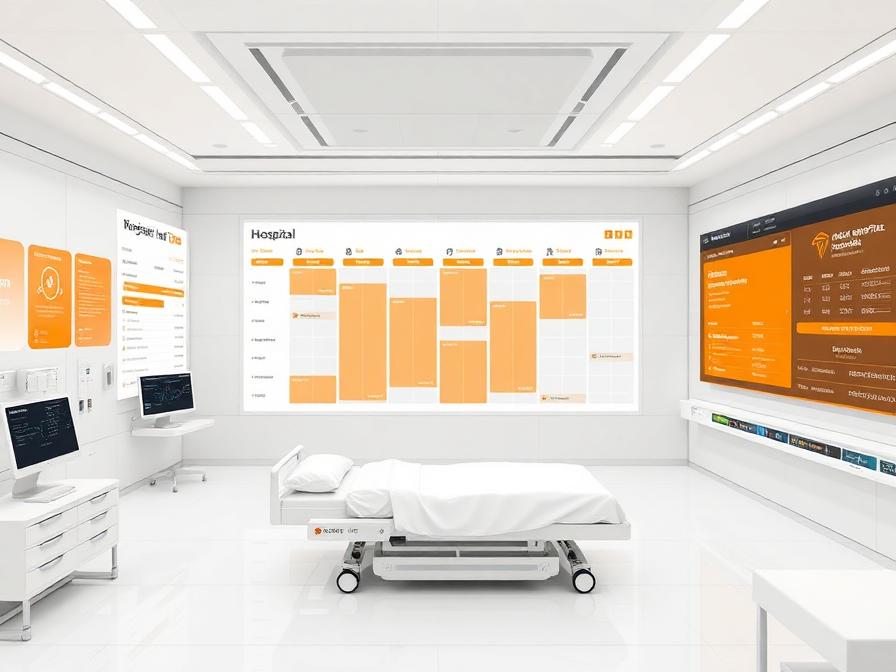
Deep Learning Radiology systems integrate seamlessly into clinical workflows:
- Images are acquired through standard imaging equipment
- AI analyzes images in real-time (typically < 30 seconds)
- Findings are flagged with confidence scores and annotations
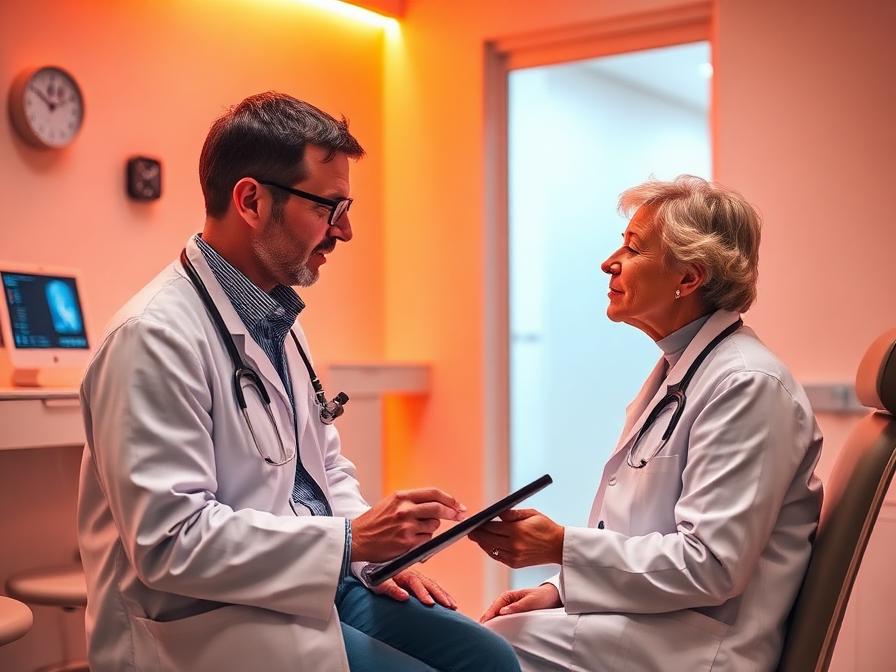
- Radiologists review AI findings alongside their own interpretation
- Discrepancies trigger additional review
Clinical Evidence
Across multiple validated studies:
- 20% earlier cancer detection - compared to radiologist-only reading
- 30% reduction - in false negatives
- 40% improvement - in reading efficiency
- Significant improvement - in consistency across radiologists
Ethical Considerations
AI in medical imaging must be transparent, validated, and equitable. NeoBram's solutions include bias detection, continuous performance monitoring, and clear documentation of model limitations.