
Learn enough to make a better AI decision.
Practical guides for manufacturing SMEs, oil and gas, pharma and EPC teams. Learn how to choose useful AI workflows, plan private deployment, estimate value and avoid common project traps.
AI guides and insights
Explore the complete learning library.
Browse every NeoBram article by industry, deployment need or operating challenge.

Industrial AI Monitoring: A Production Playbook for Drift, Overrides and Change Control
A practical playbook for monitoring industrial AI after go-live: define operational baselines, detect drift, learn from operator overrides and control every production change.
Read guide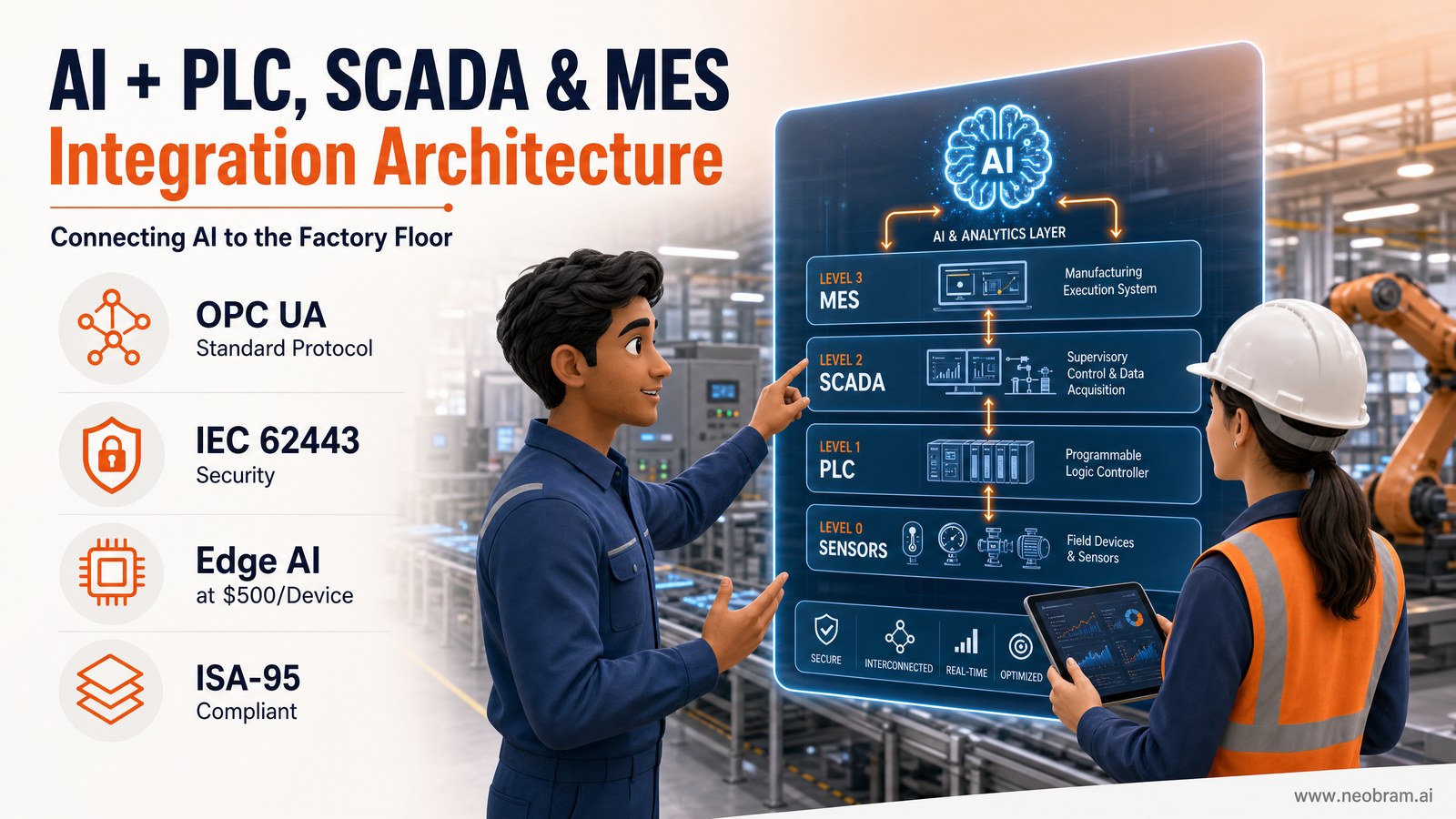
Edge AI for Manufacturing: When Local Inference Beats the Cloud
A practical guide to deciding what should run near the machine, what can move to the cloud and how to build an edge AI architecture that remains observable, secure and maintainable.
Read guide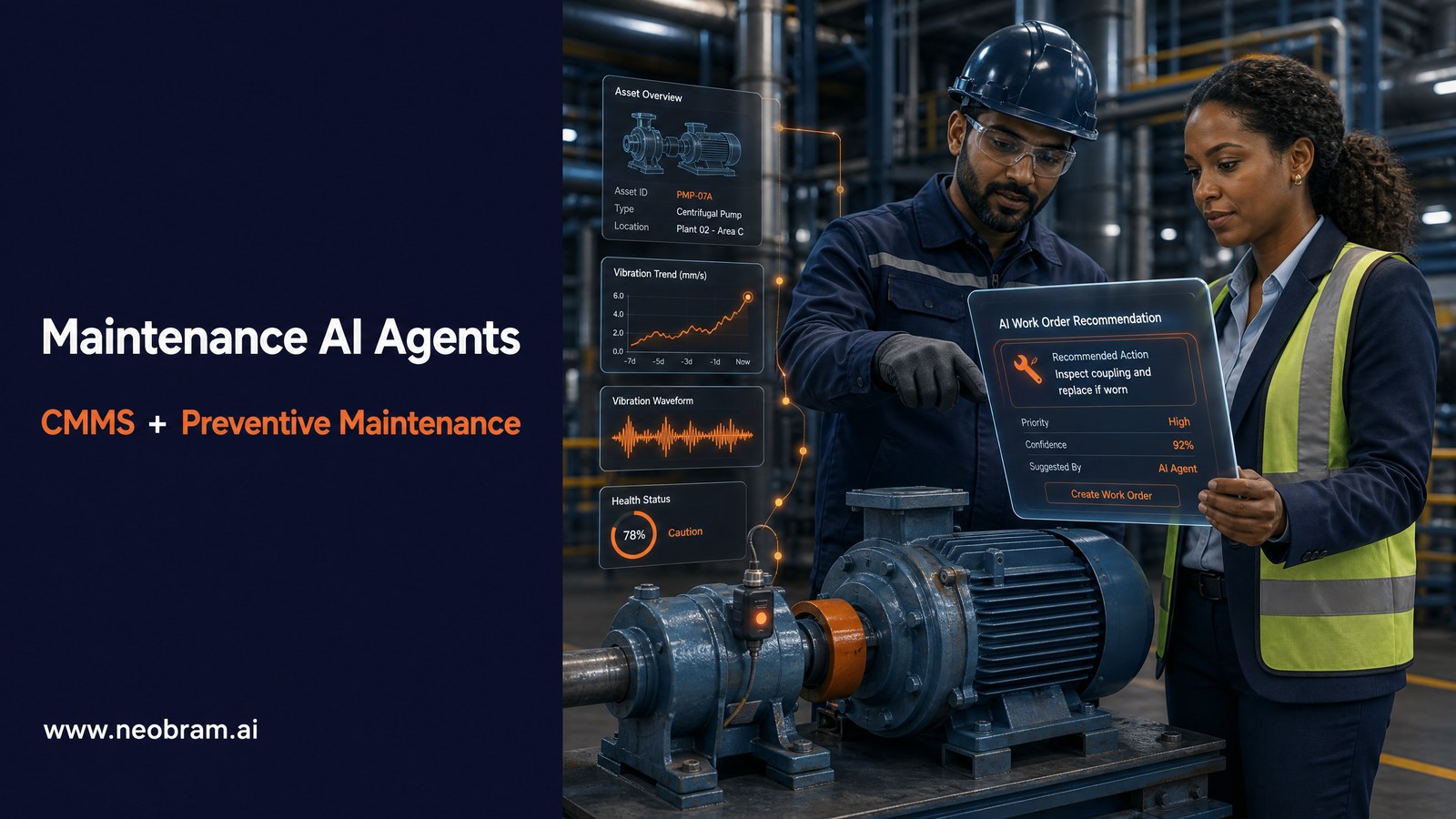
Maintenance AI Agents: How Autonomous Systems Are Transforming CMMS and Preventive Maintenance
Maintenance AI agents connect condition monitoring, asset history and CMMS workflows to help teams find issues sooner, prepare better work and keep consequential actions under accountable control.
Read guide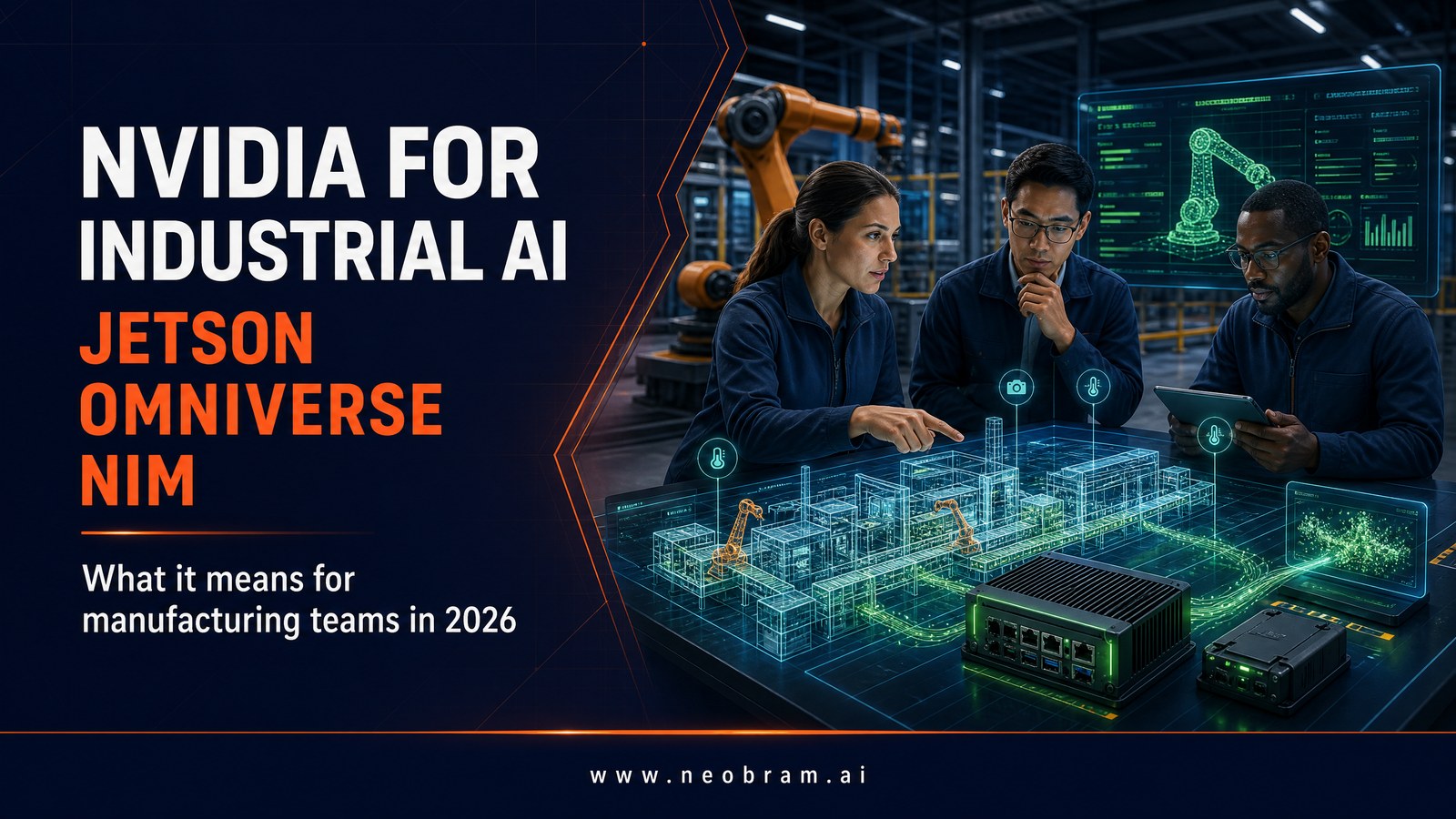
NVIDIA for Industrial AI: What Jetson, Omniverse and NIM Mean for Manufacturing Teams in 2026
NVIDIA’s 2026 industrial AI stack spans edge compute, simulation and inference services. This practical guide explains what Jetson, Omniverse and NIM mean for manufacturing teams, and where the hype ends.
Read guide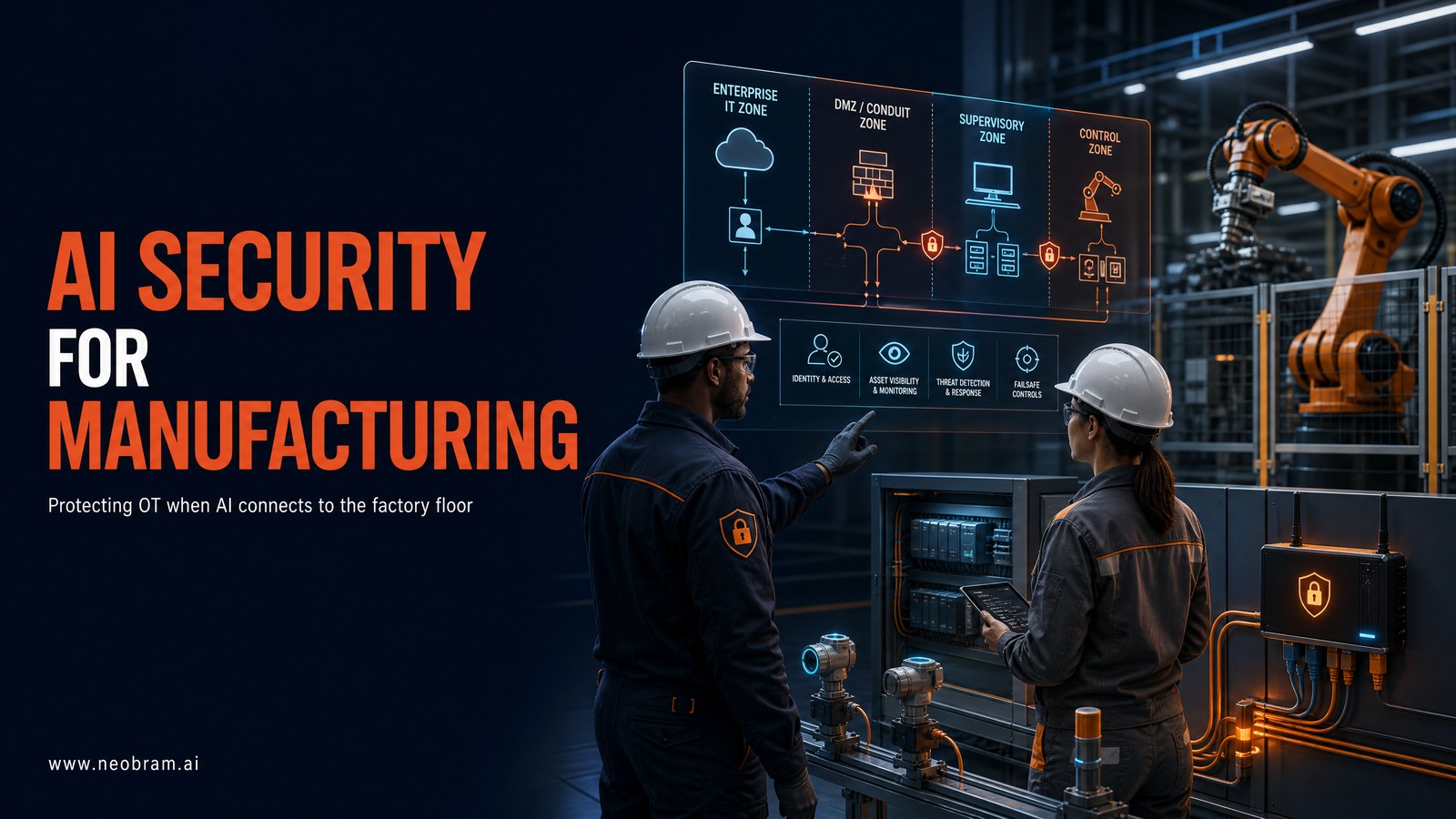
AI Security for Manufacturing: Protecting OT Systems When AI Connects to the Factory Floor
AI can improve maintenance, quality and operator decisions, but connecting models to factory systems changes the OT threat model. This practical guide shows how manufacturers can keep AI useful, segmented, observable and safe.
Read guide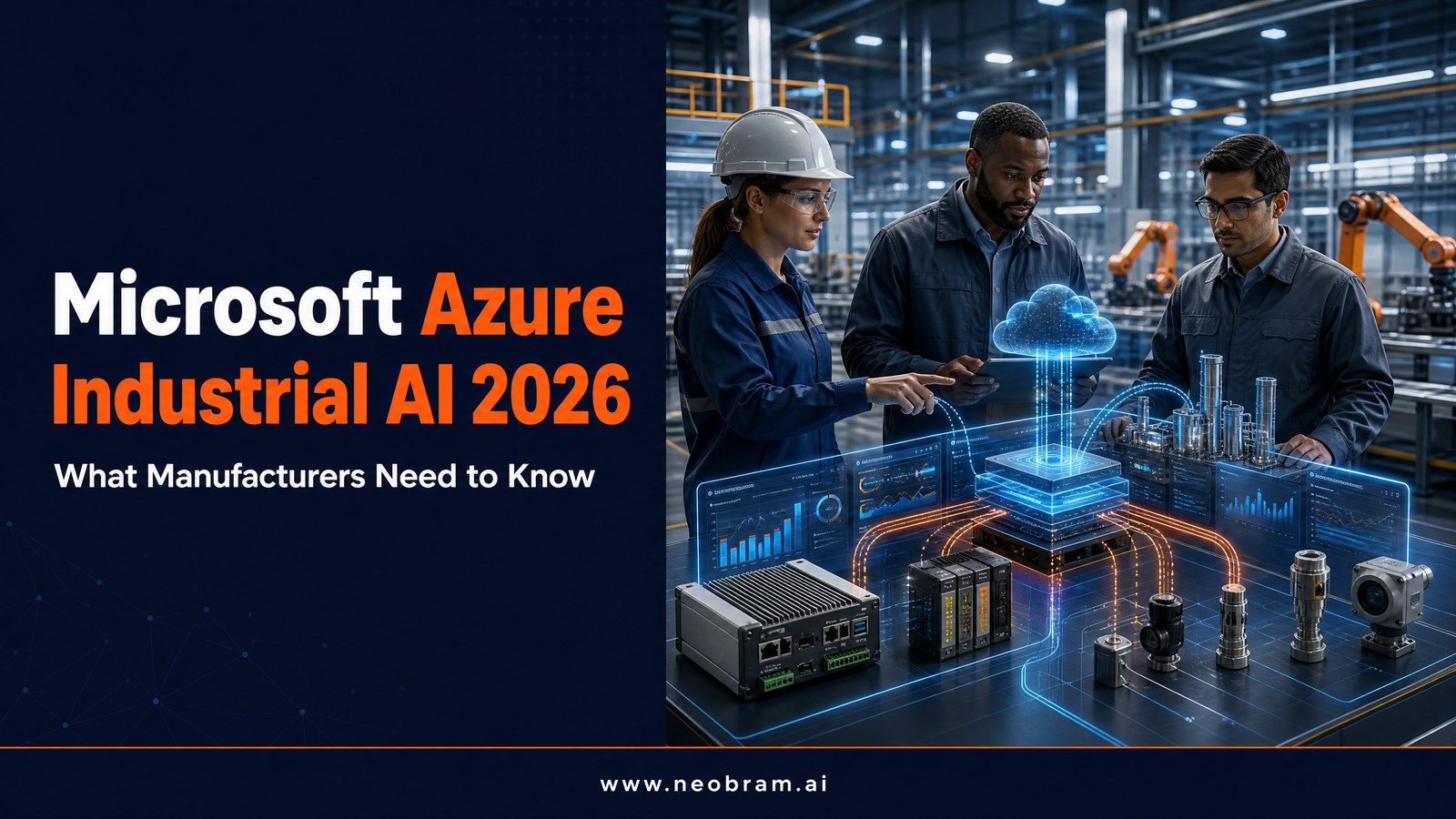
Microsoft Azure Industrial AI 2026: What Manufacturers Need to Know About the Latest Platform Updates
Microsoft’s 2026 Azure updates move industrial AI from cloud-only pilots toward a governed stack spanning the factory edge, local inference, unified data and agentic operations. Here is what manufacturers should evaluate now.
Read guide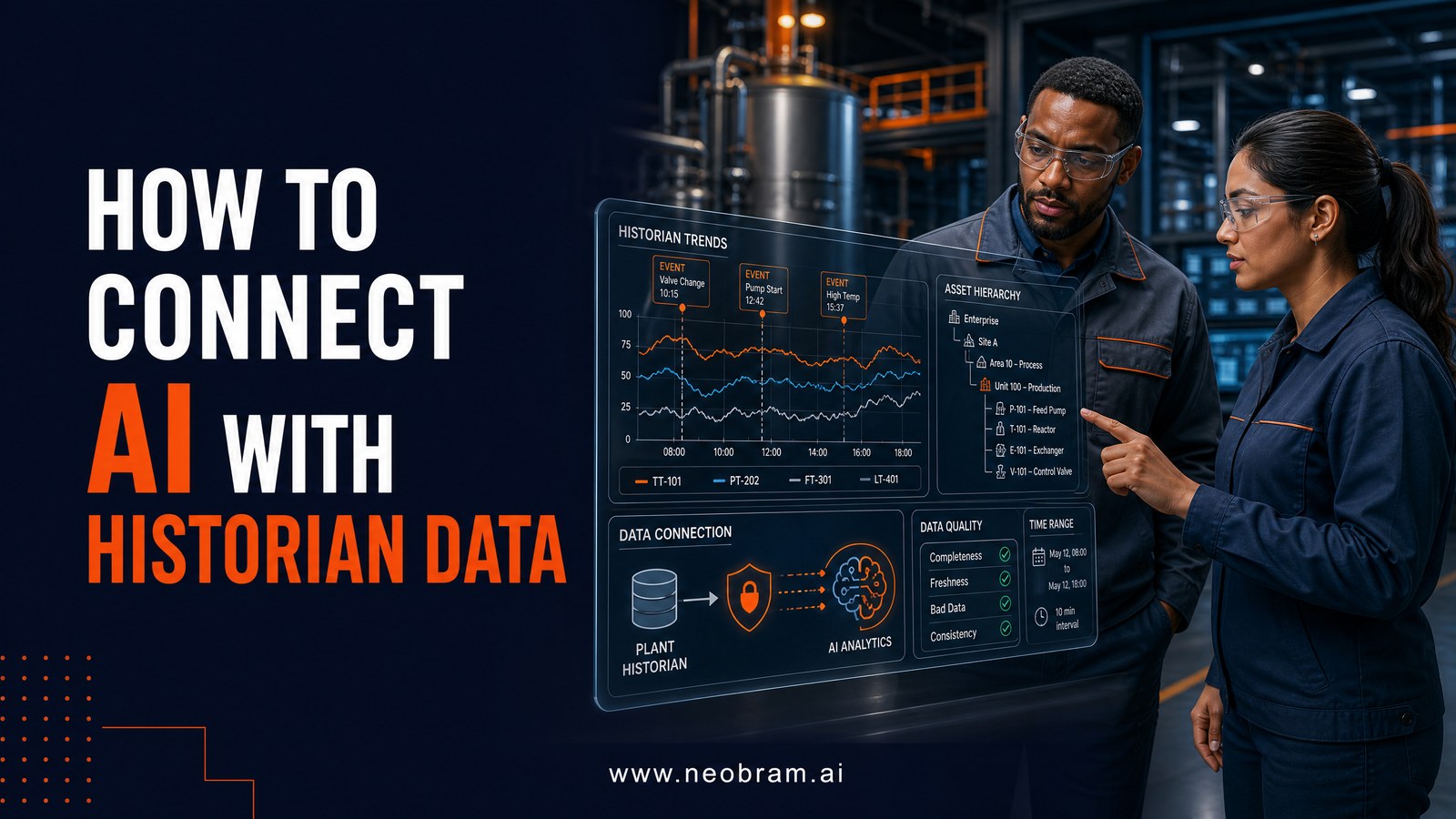
AI Historian Integration for OSIsoft PI & AVEVA
How to connect AI to OSIsoft PI and AVEVA historian data using PI Web API, Asset Framework and OPC UA in a read-first, evidence-linked architecture.
Read guide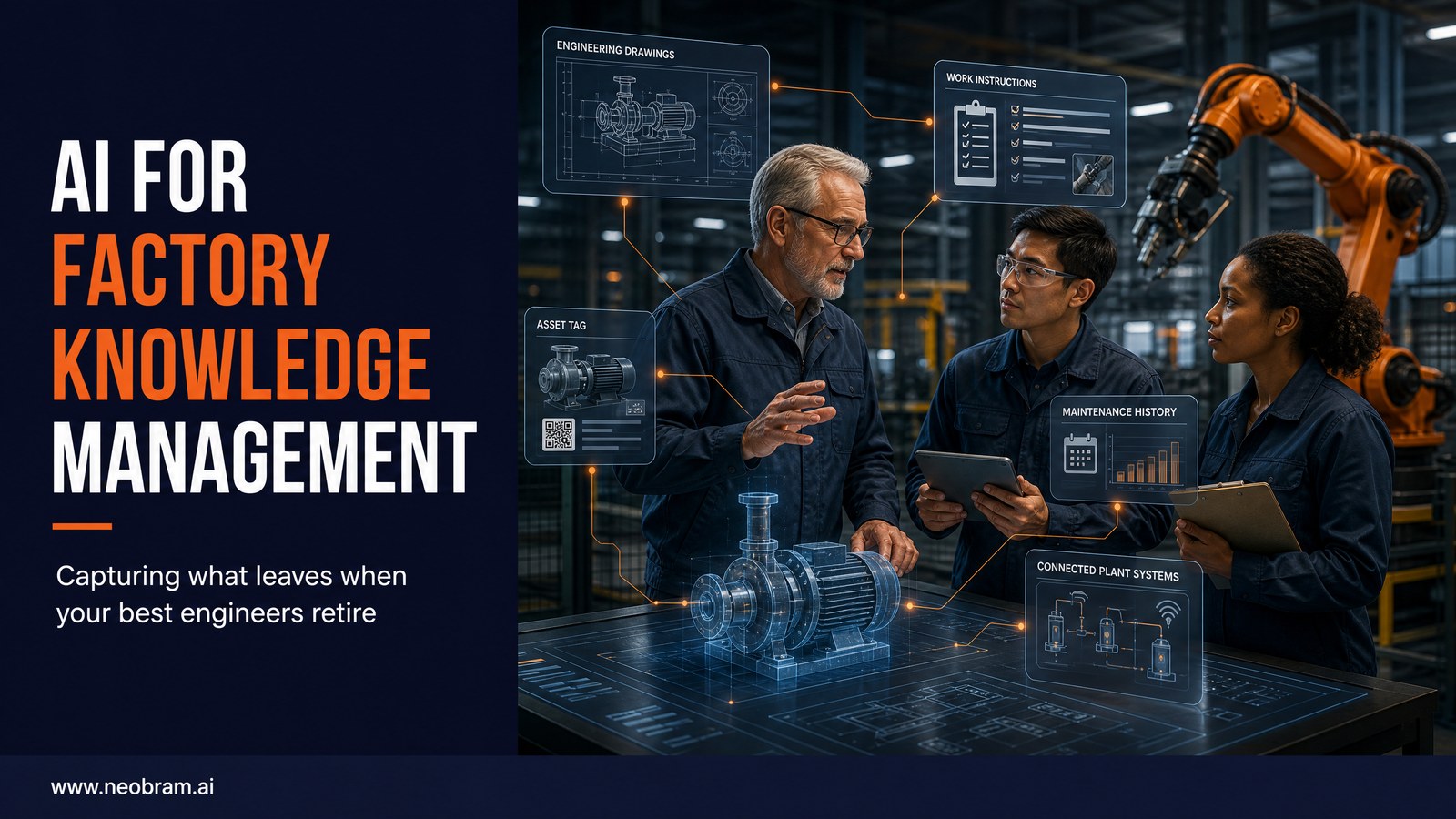
AI for Factory Knowledge Management
How manufacturers capture, govern and retrieve factory knowledge with AI — before troubleshooting judgment leaves with the people who hold it.
Read guide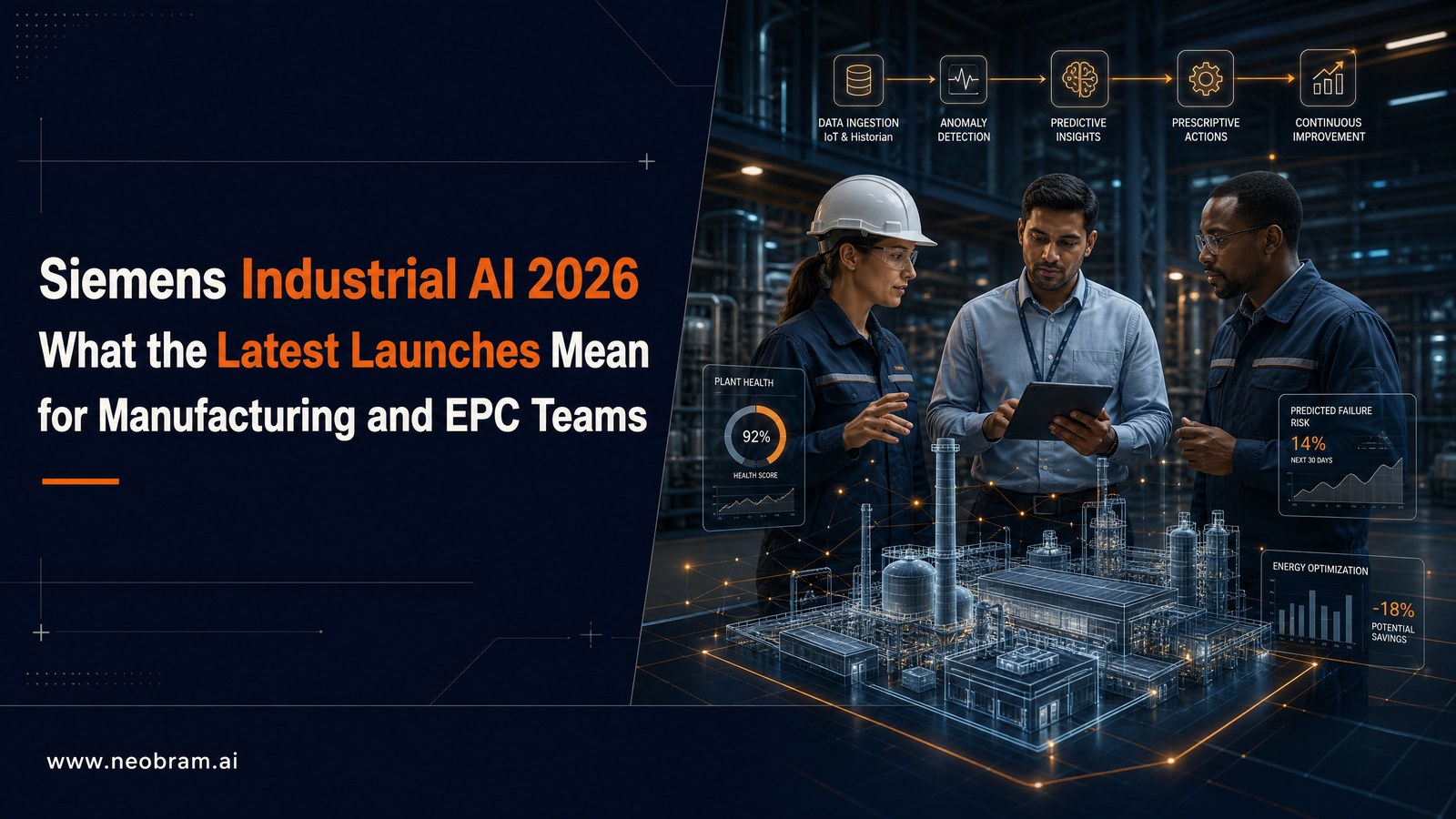
Siemens Industrial AI 2026: What Launches Mean
What Siemens' 2026 industrial AI launches — Intelligence Center X, Digital Twin Composer and embedded copilots — mean for manufacturing and EPC teams.
Read guide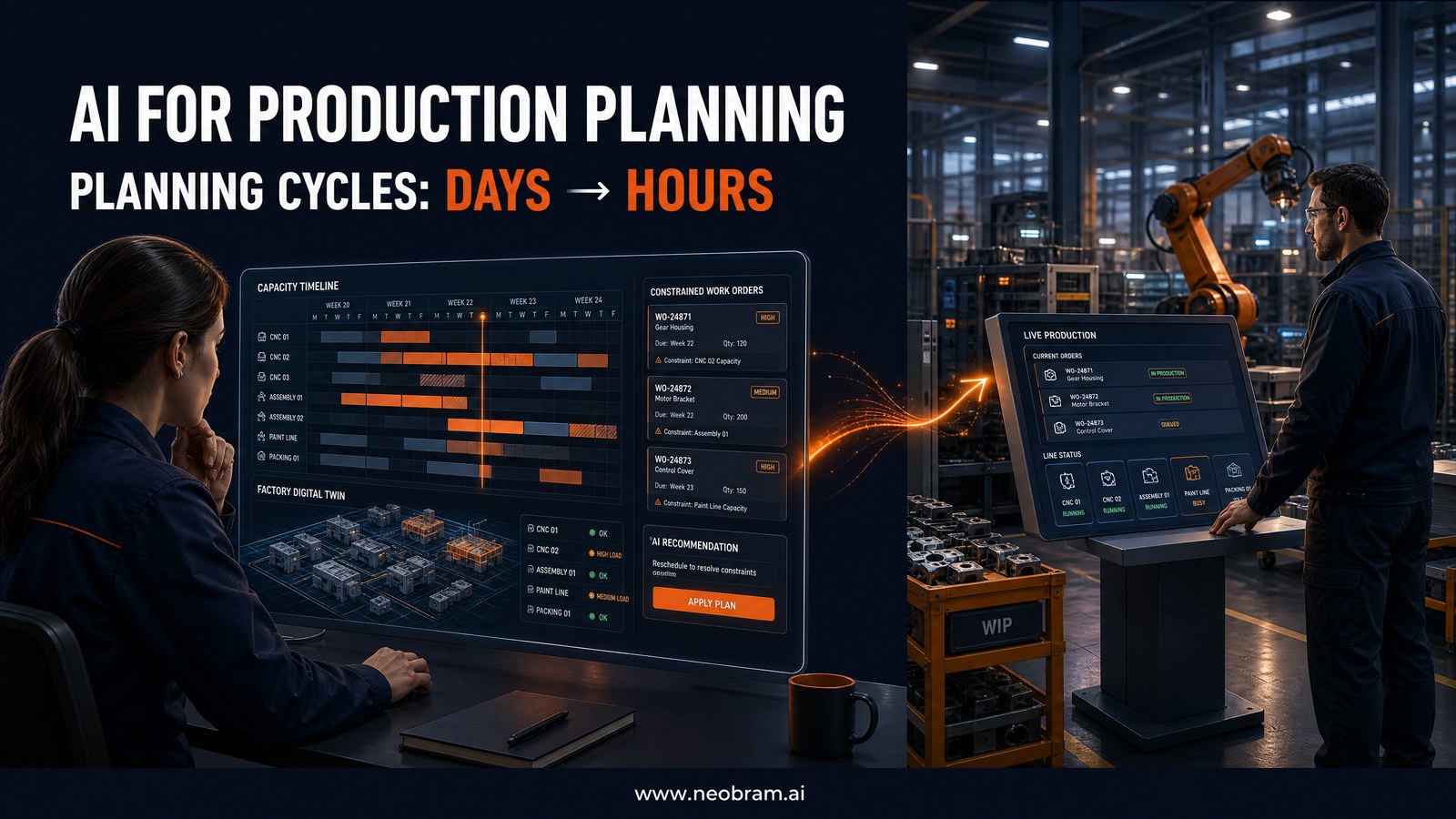
AI Production Planning for Manufacturers
How production planners use AI to test feasible schedule scenarios in hours instead of days — without surrendering control of the factory schedule.
Read guide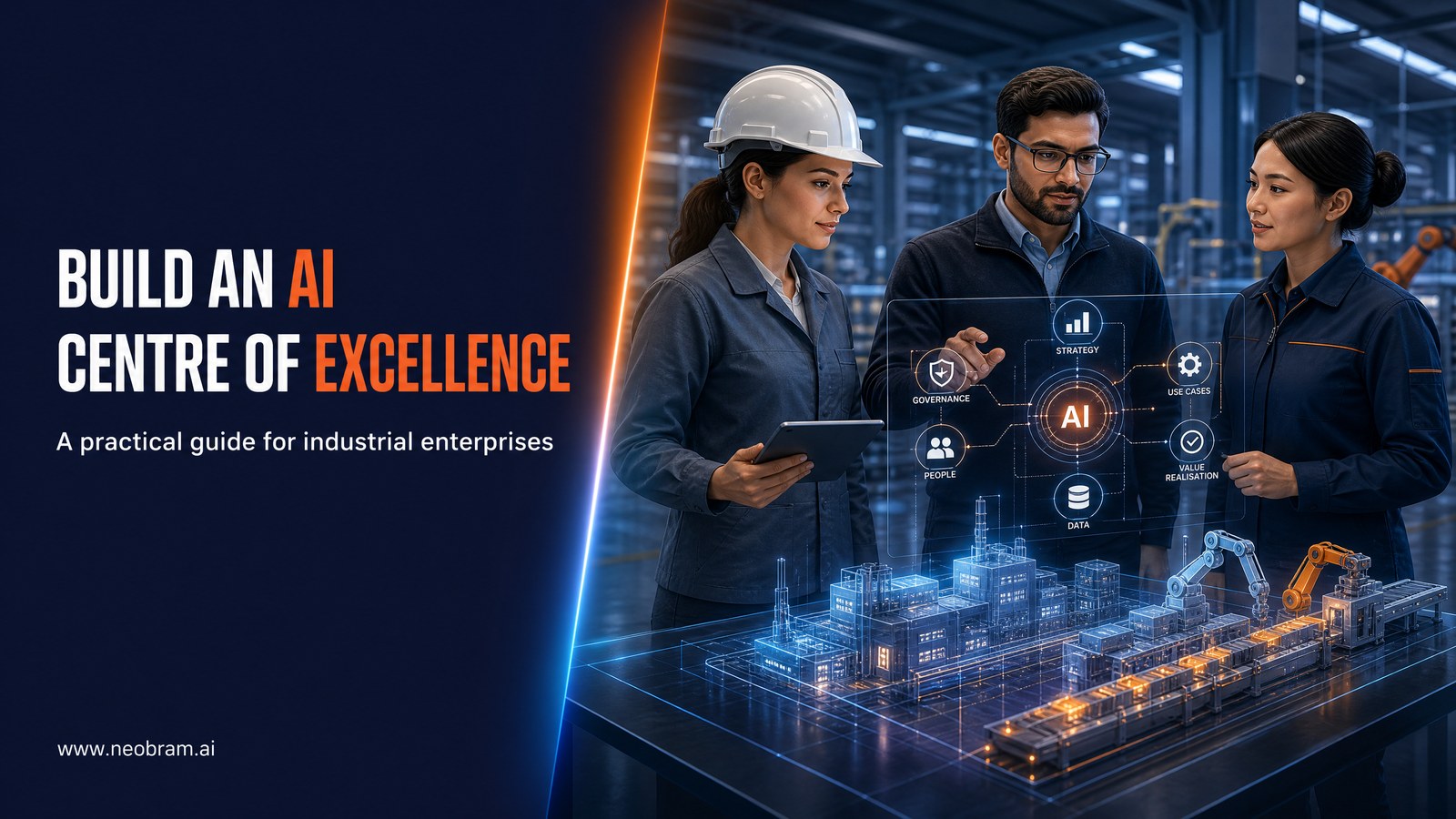
How to Build an AI Centre of Excellence
The charter, team, operating model and 90-day plan for an AI Centre of Excellence that turns disconnected pilots into a governed industrial portfolio.
Read guide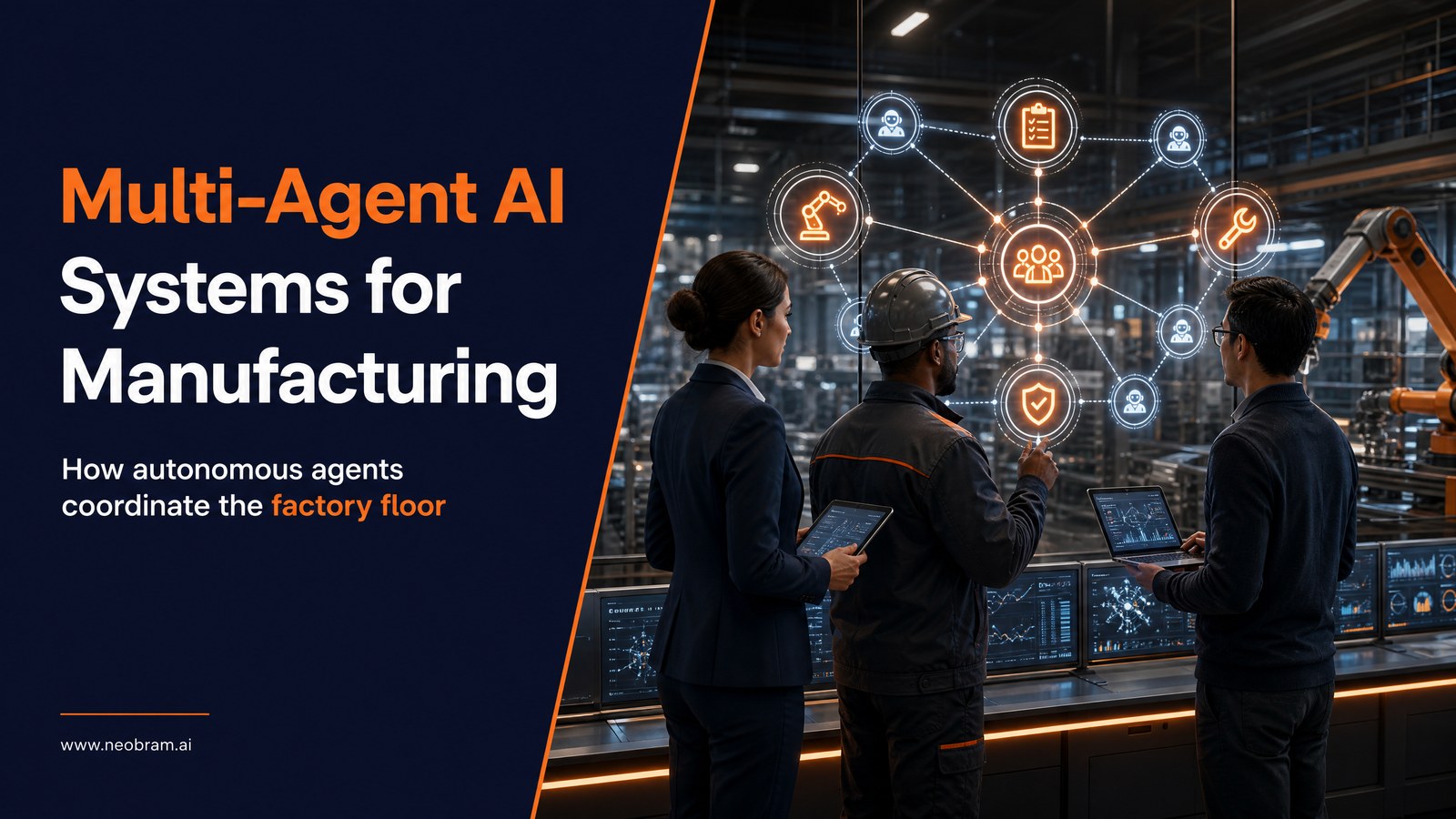
Multi-Agent AI Systems for Manufacturing
How multi-agent AI coordinates planning, quality, maintenance and operations as a governed decision layer — not an open route into plant control.
Read guide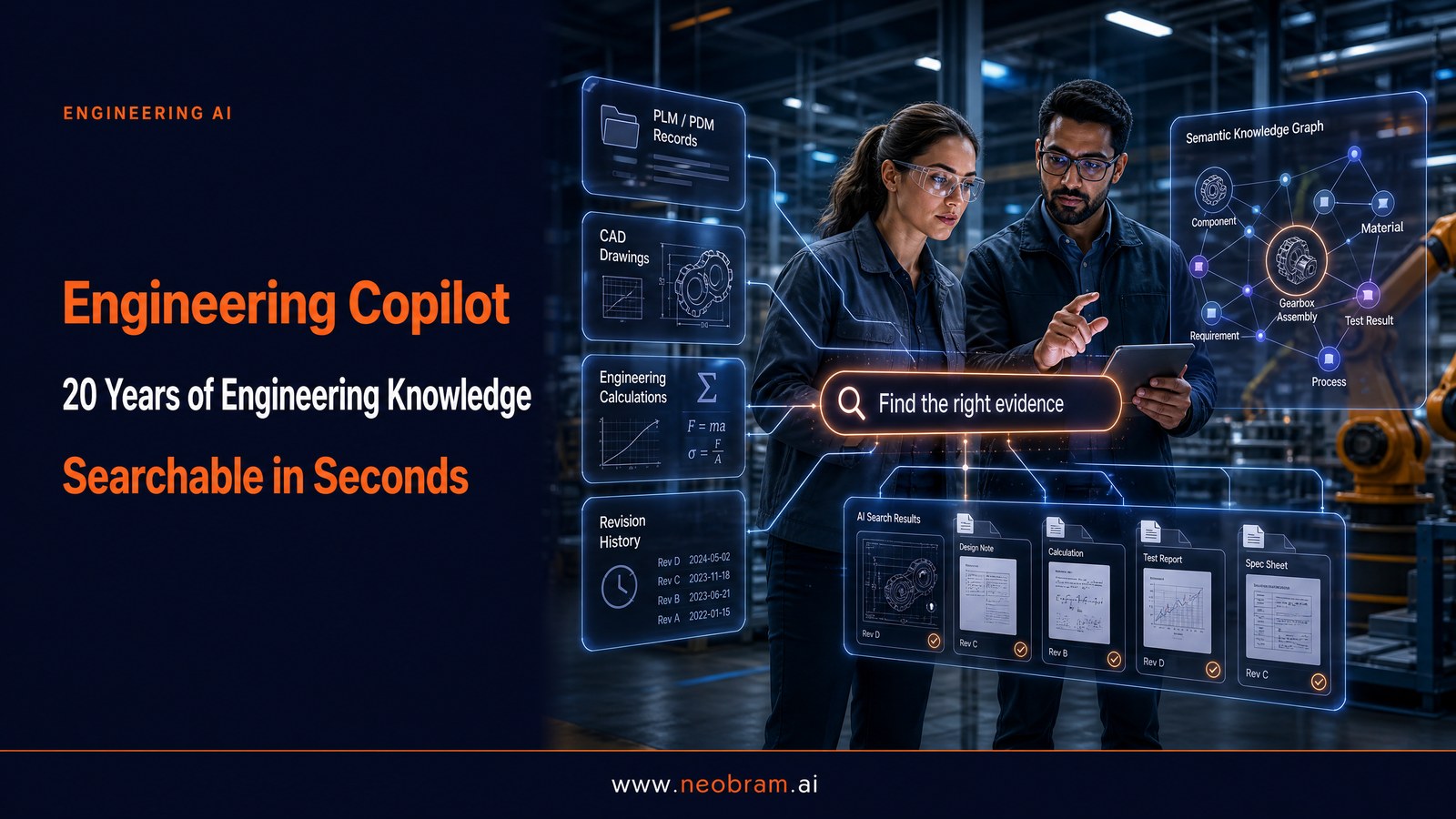
Engineering Copilot: AI Knowledge Search
Why engineering teams need a governed copilot that finds the right drawing, calculation or change record — and shows why the answer can be trusted.
Read guide
How to Automate Accounts Payable with AI
Discover how AI-driven accounts payable automation cuts invoice processing costs by 80%, eliminates manual data entry, and accelerates cash flow.
Read guide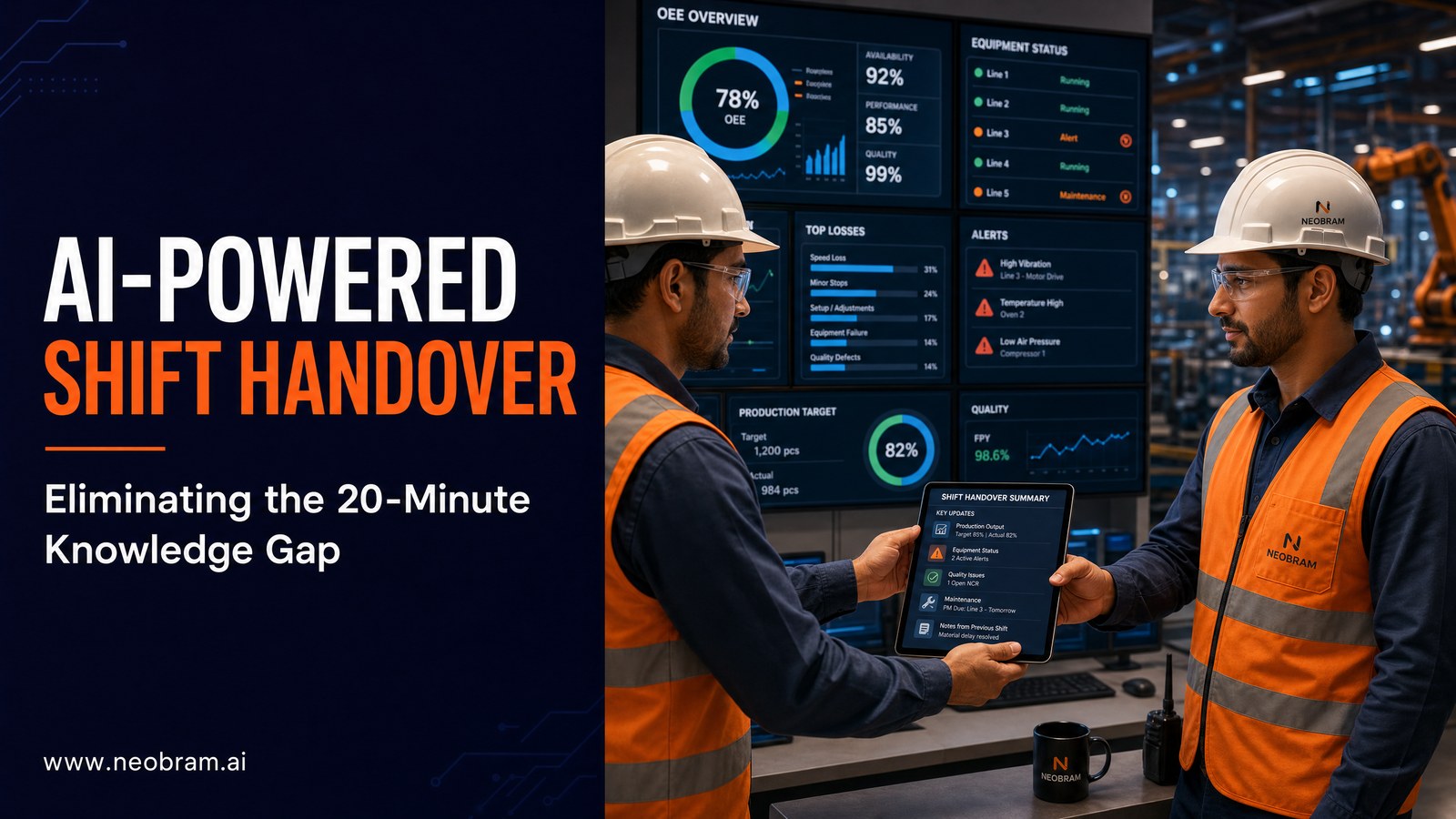
AI Shift Handover for Manufacturing
How AI-assisted shift handover cuts transition time and prevents the communication failures behind downtime and safety incidents in manufacturing.
Read guide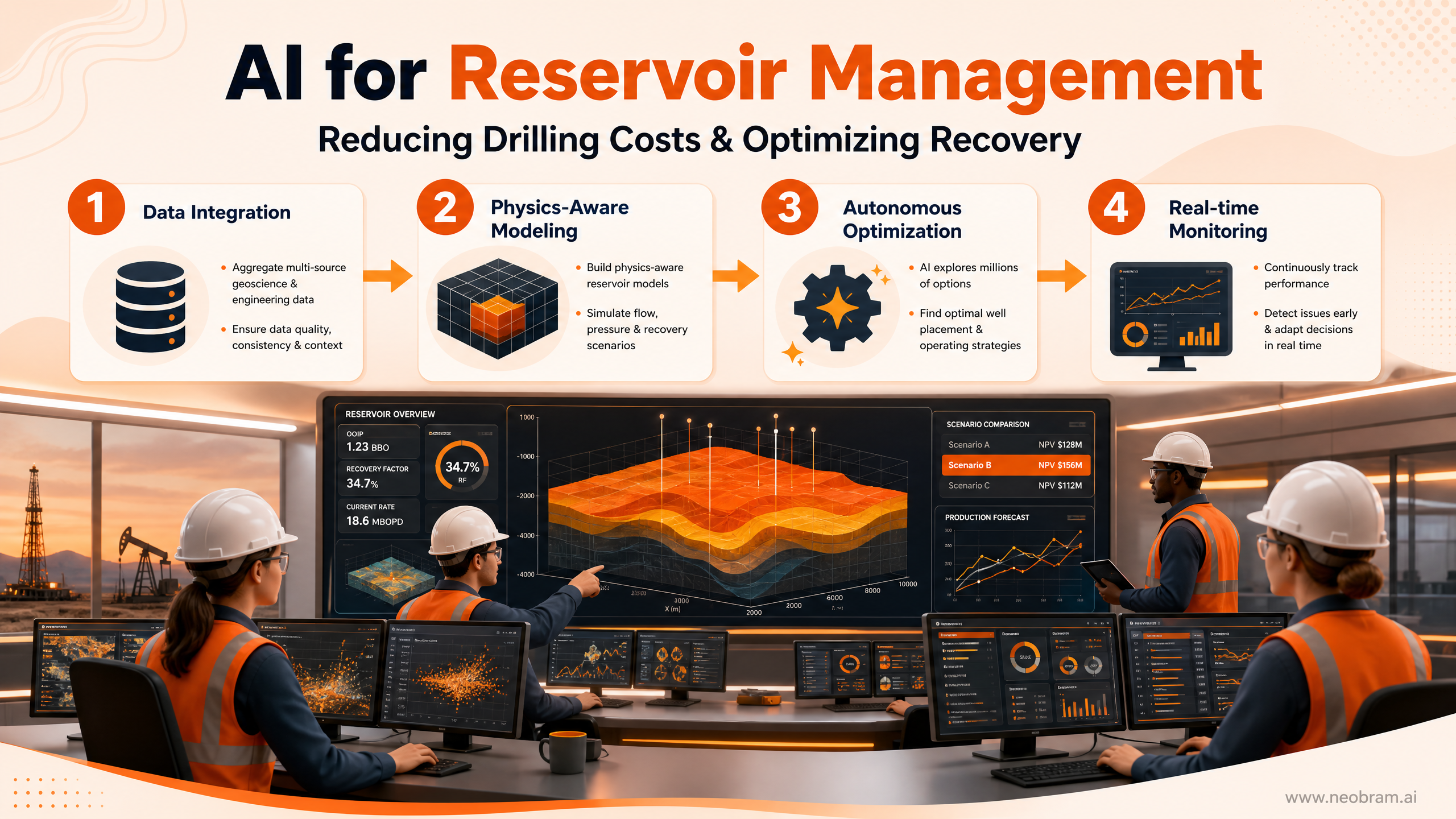
AI Reservoir Management for Oil & Gas
How oil and gas operators combine AI with physics-aware modeling to improve reservoir management decisions and cut drilling costs at the well level.
Read guide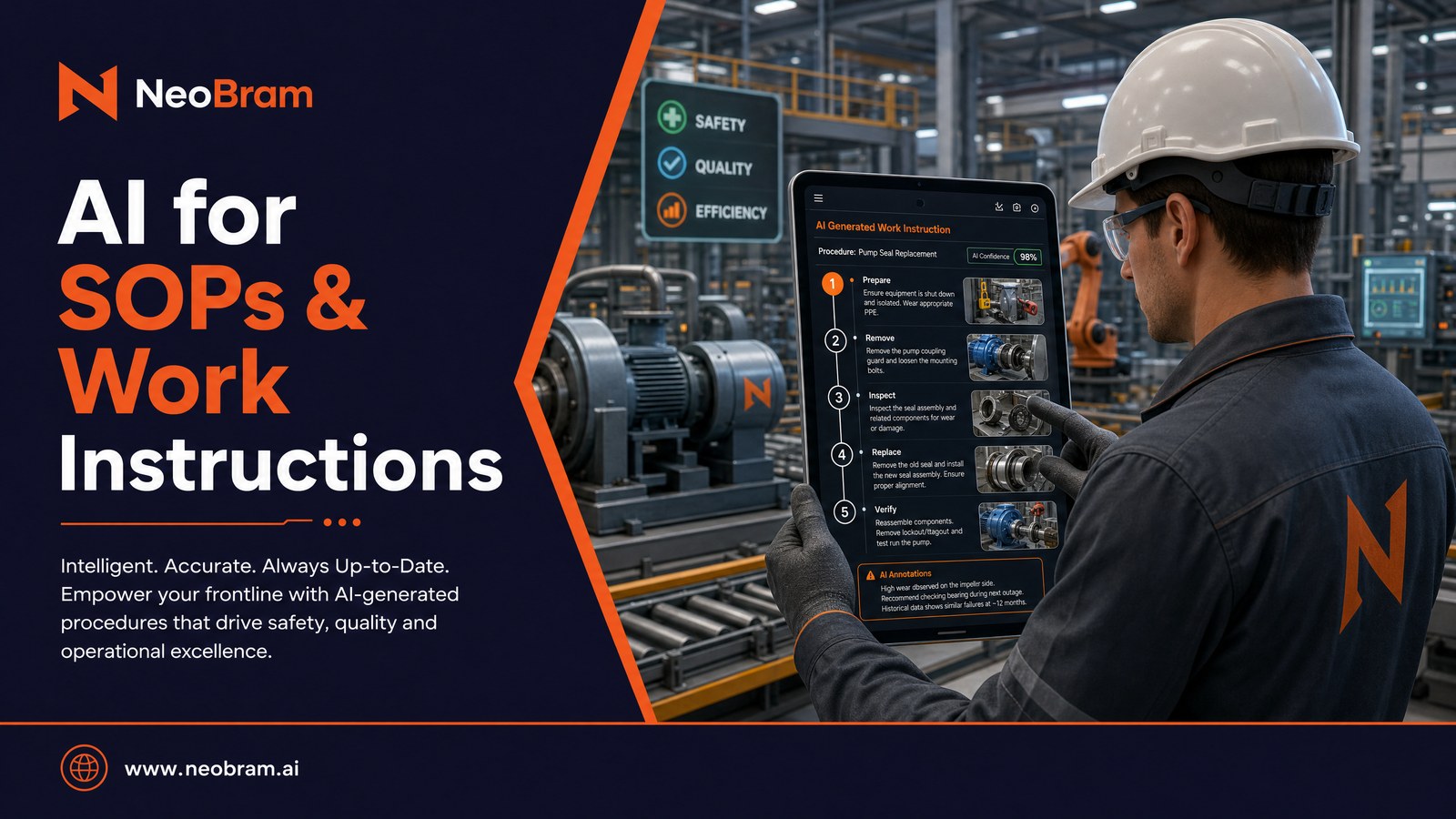
AI for SOPs and Work Instructions
How AI turns static SOPs into dynamic digital work instructions that cut training time and preserve manufacturing knowledge as veterans retire.
Read guideAI Integration with PLC, SCADA and MES
A practical architecture for connecting AI to PLC, SCADA and MES data with OPC UA, edge computing and ISA-95 segmentation that protects OT systems.
Read guide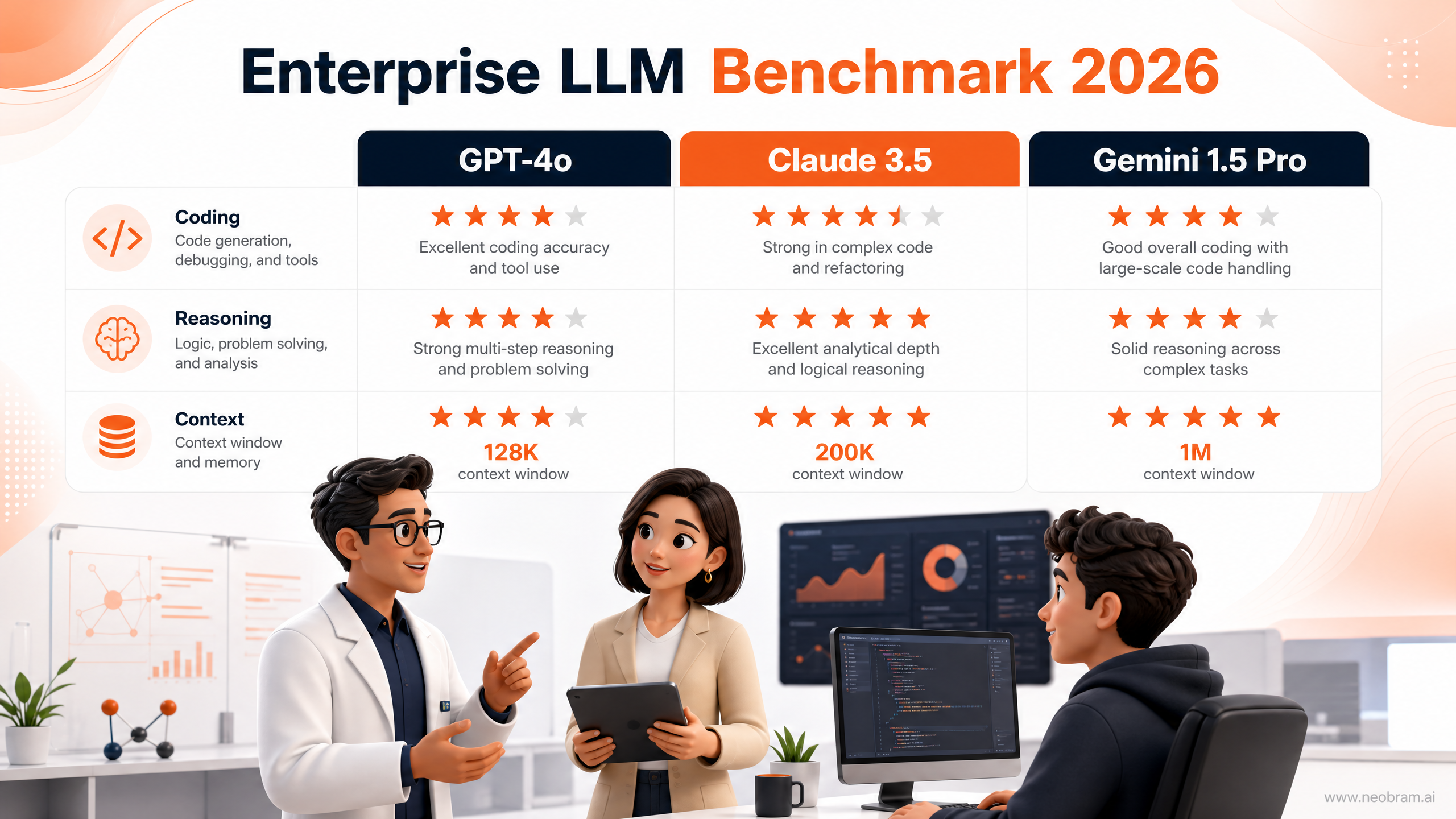
GPT-4o vs Gemini vs Claude: Enterprise Benchmark
A 2026 enterprise benchmark of GPT-4o, Gemini 1.5 Pro and Claude 3.5: real-world performance, context handling and coding capability compared.
Read guide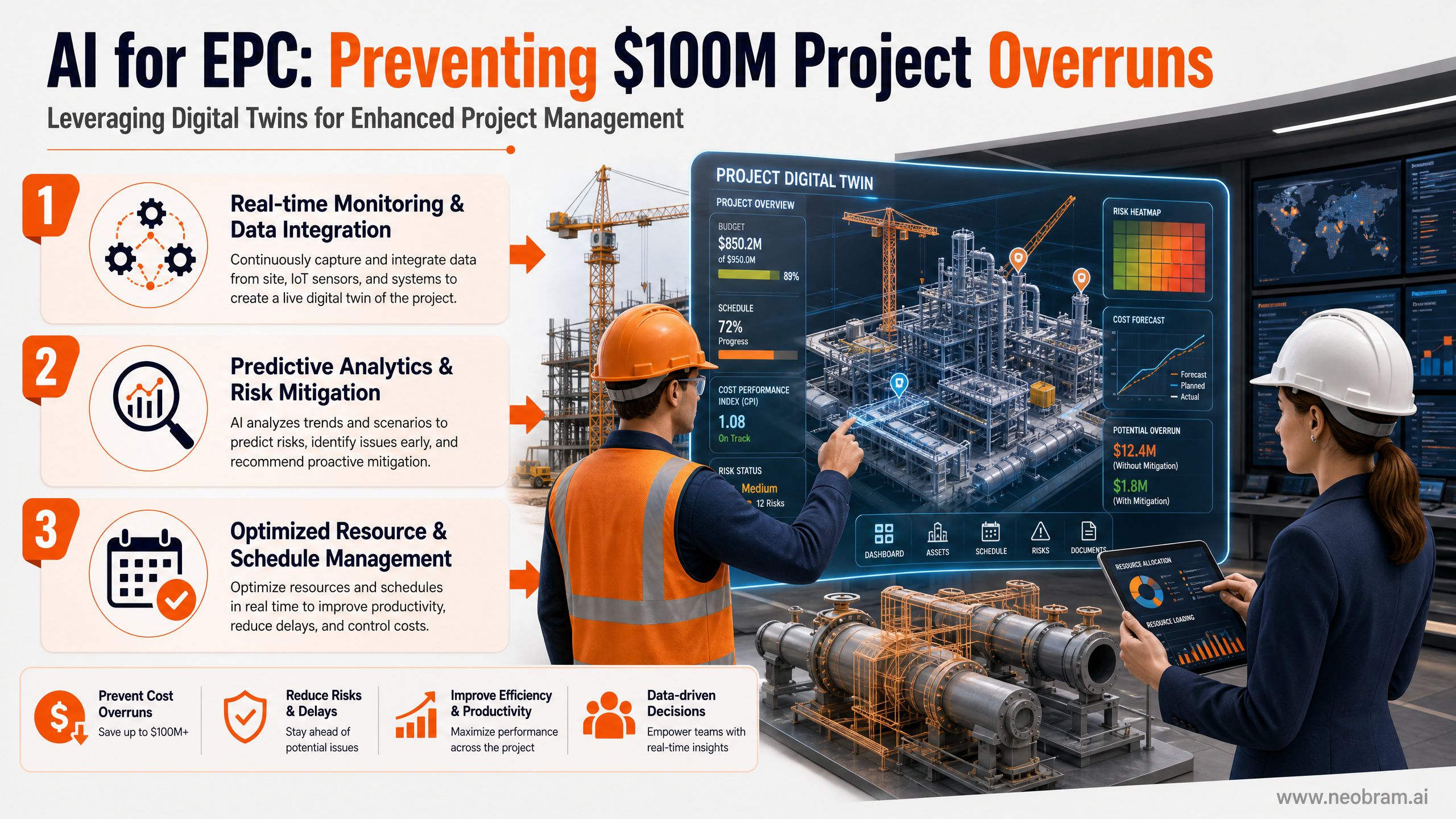
How Digital Twins Prevent EPC Project Overruns
How AI-powered digital twins give EPC megaprojects the predictive insight needed to catch budget and schedule overruns before they become losses.
Read guide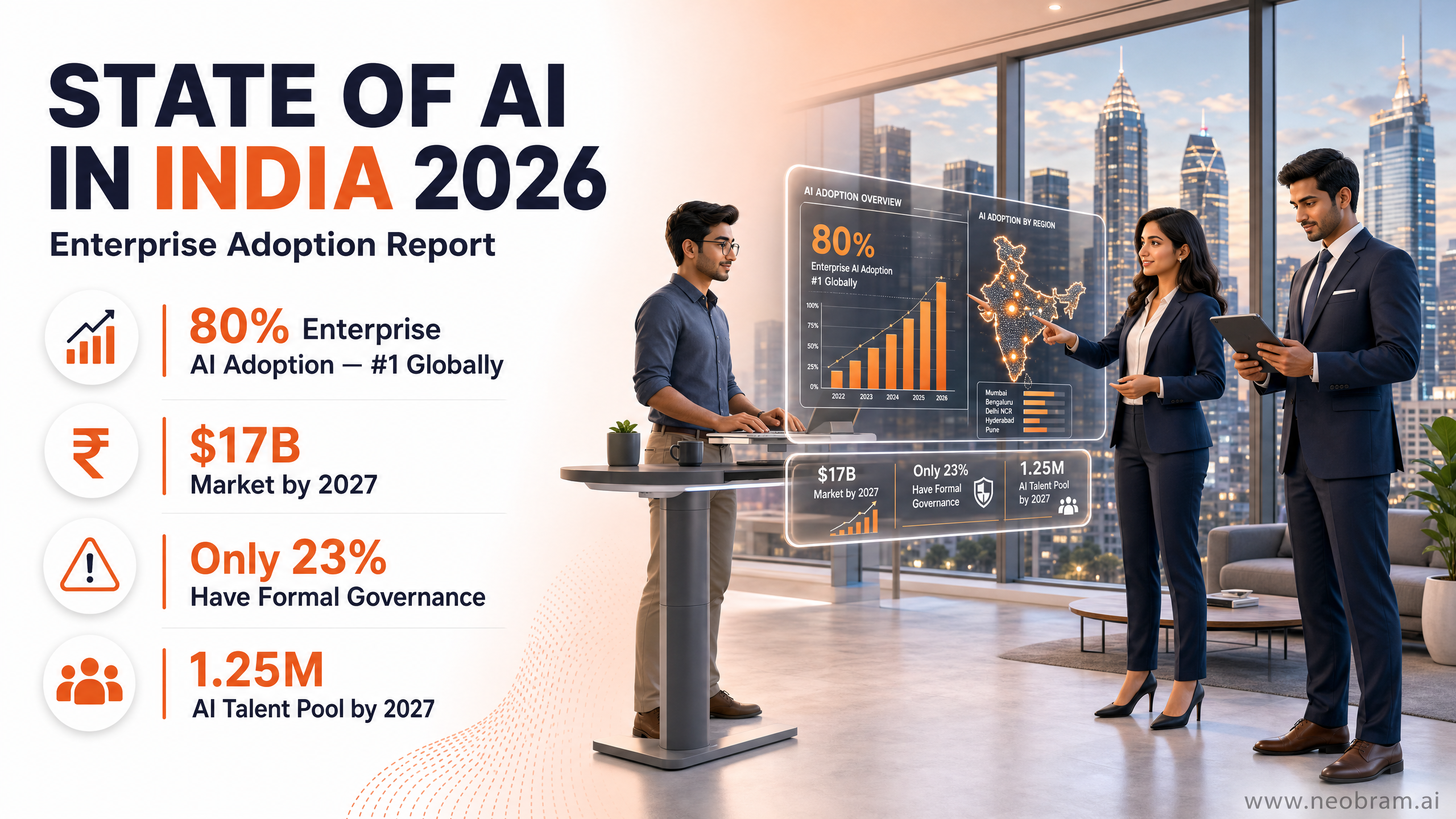
State of AI in India 2026: Adoption Report
What the data actually says about enterprise AI in India in 2026 — adoption at 80%, formal governance at 23%, and what the gap means for firms.
Read guide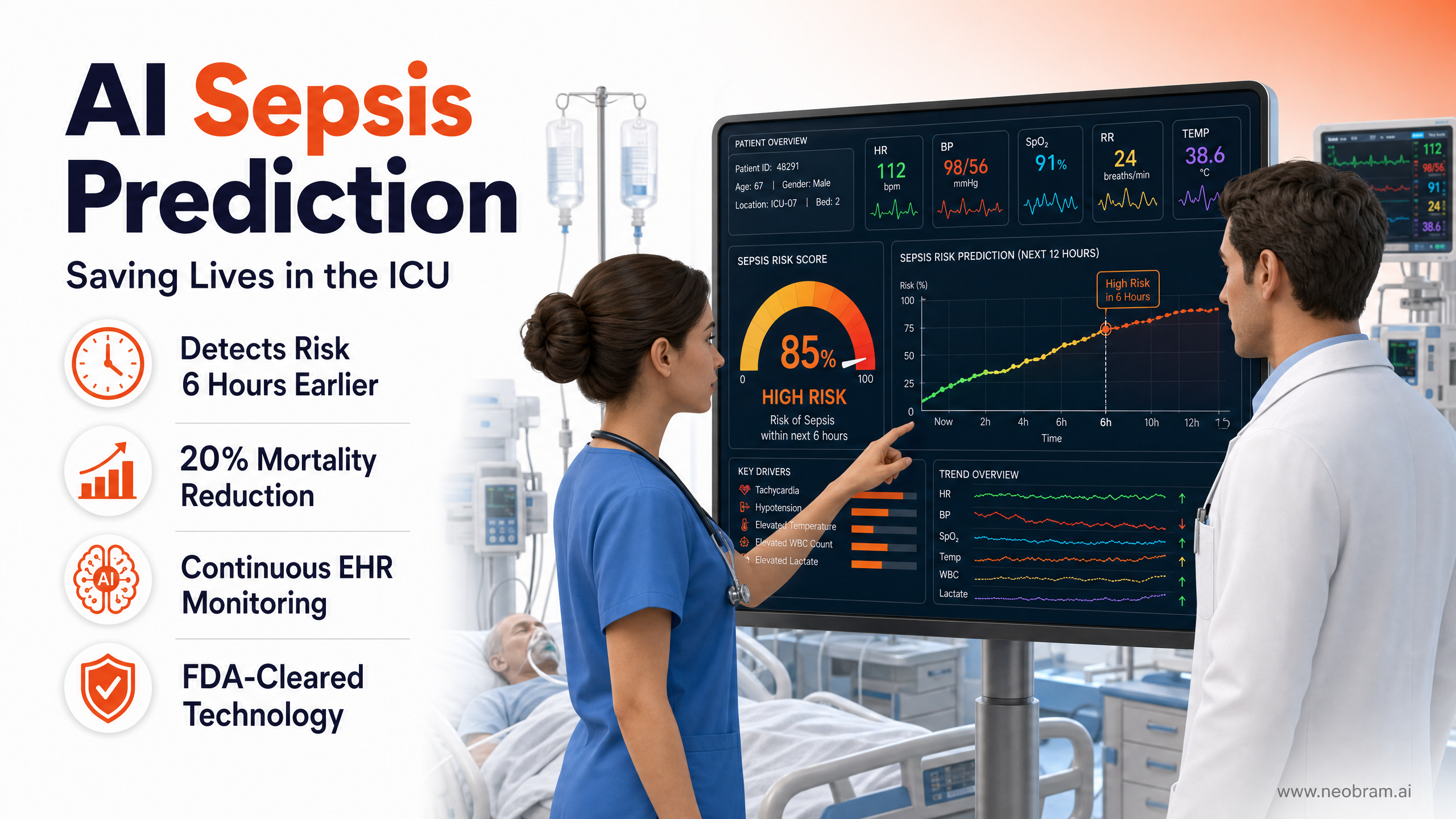
AI Sepsis Prediction and ICU Risk Scoring
AI sepsis prediction systems detect risk up to 6 hours earlier than traditional methods, reducing ICU mortality by 20%. Here is how the technology works.
Read guide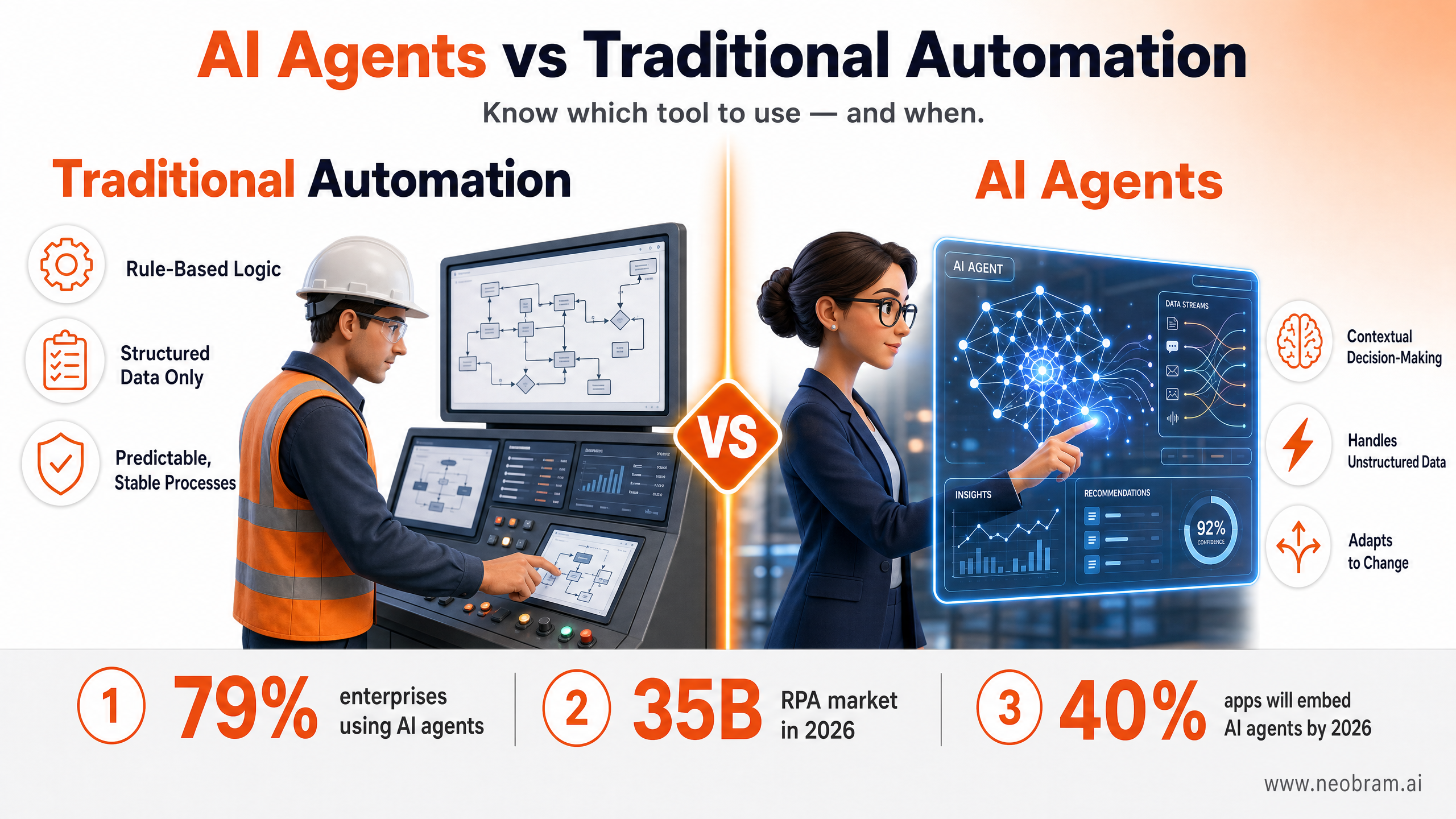
AI Agents vs Traditional Automation
AI agents and traditional automation solve different problems. This guide shows you exactly when to use each, with a practical decision framework.
Read guide
Industrial AI Readiness Assessment for SMEs
A practical readiness method: pick one manufacturing AI use case, check data and integration, assign ownership and define a safe acceptance test.
Read guide
Offline and On-Prem AI for Manufacturing
How manufacturing teams should choose among offline, on-premises, private-cloud and edge AI using data flow, latency, licences, updates and support constraints.
Read guide
GxP AI in Pharma: Validation Boundaries
A careful guide to intended use, records, validation evidence, source traceability and human approval for AI-assisted pharma manufacturing workflows.
Read guide
Predictive Maintenance AI Data Requirements
How to select assets, assess maintenance and sensor data, choose an evaluation strategy and connect predictive maintenance output to real work.
Read guide
AI Use Cases for Oil and Gas Operations
A decision guide for selecting oil and gas AI use cases using operational value, evidence quality, safety boundaries and private deployment constraints.
Read guide
AI for EPC Document Control
How EPC teams can evaluate AI for requirements, engineering documents, contracts, project controls, procurement and construction workflows.
Read guide
Industry 5.0 for Manufacturing SMEs
Turn Industry 5.0's human-centric, sustainable and resilient principles into practical tests for manufacturing AI projects.
Read guide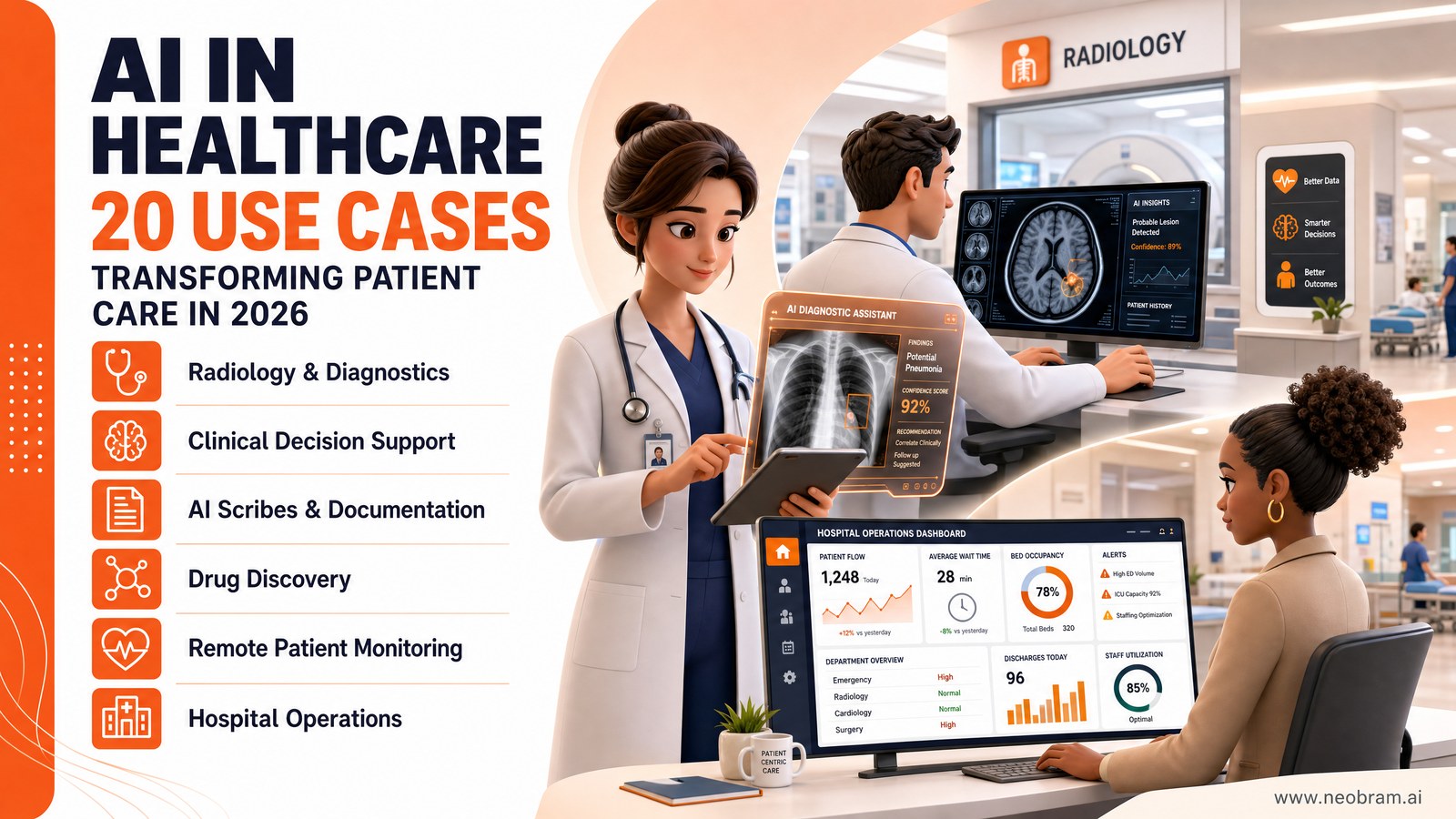
AI in Healthcare: 20 Use Cases for 2026
From radiology to drug discovery, AI is delivering measurable ROI across 20 healthcare use cases. Here's where the evidence is strongest in 2026.
Read guide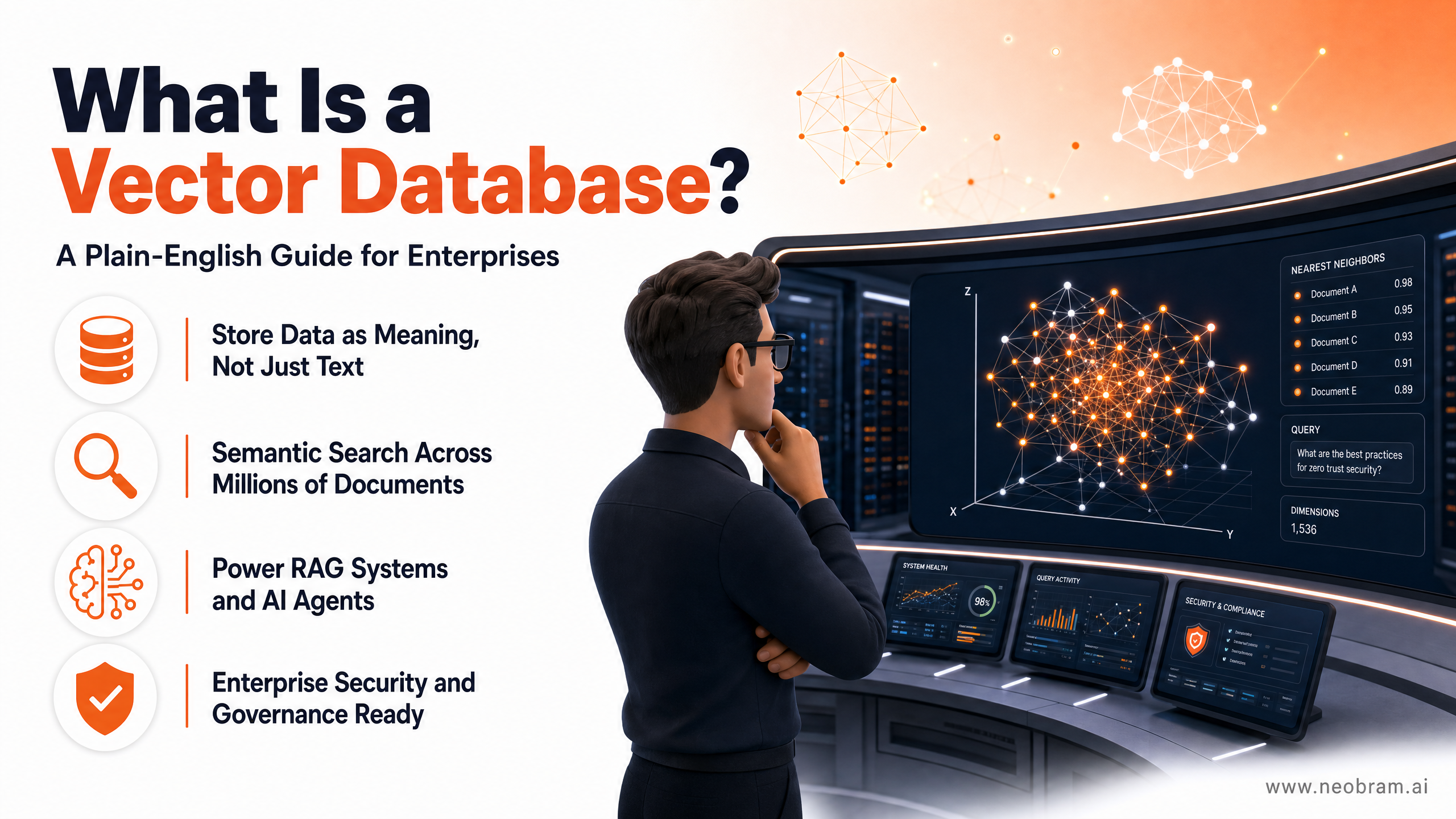
What Is a Vector Database? Enterprise Guide
A plain-English guide to vector databases: what they are, how they work, and why they're the foundation of every enterprise RAG and AI agent system.
Read guide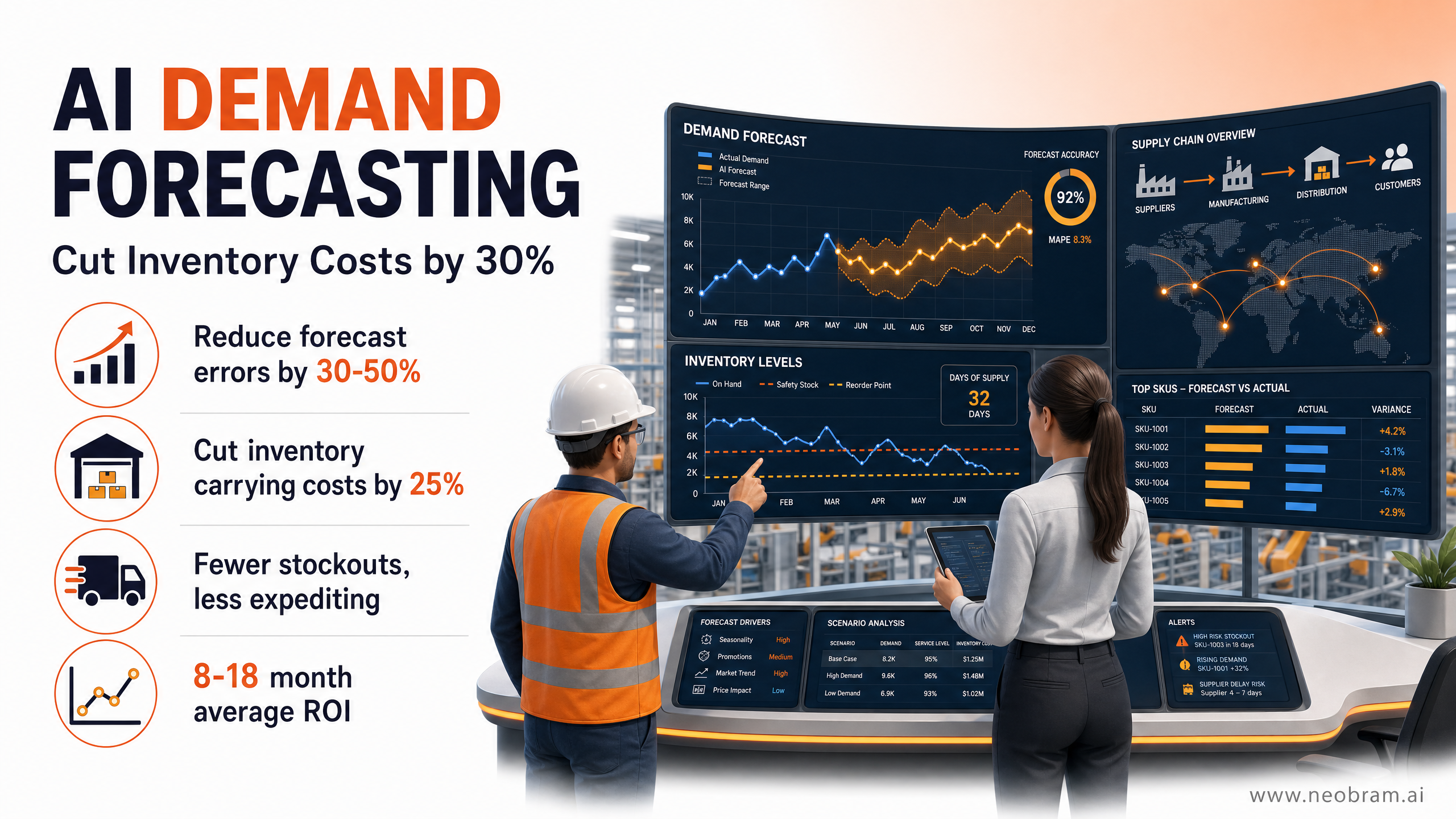
AI Demand Forecasting for Manufacturers
Learn how AI demand forecasting helps manufacturers cut inventory costs by 20-30%, reduce stockouts, and achieve ROI within 12-18 months.
Read guide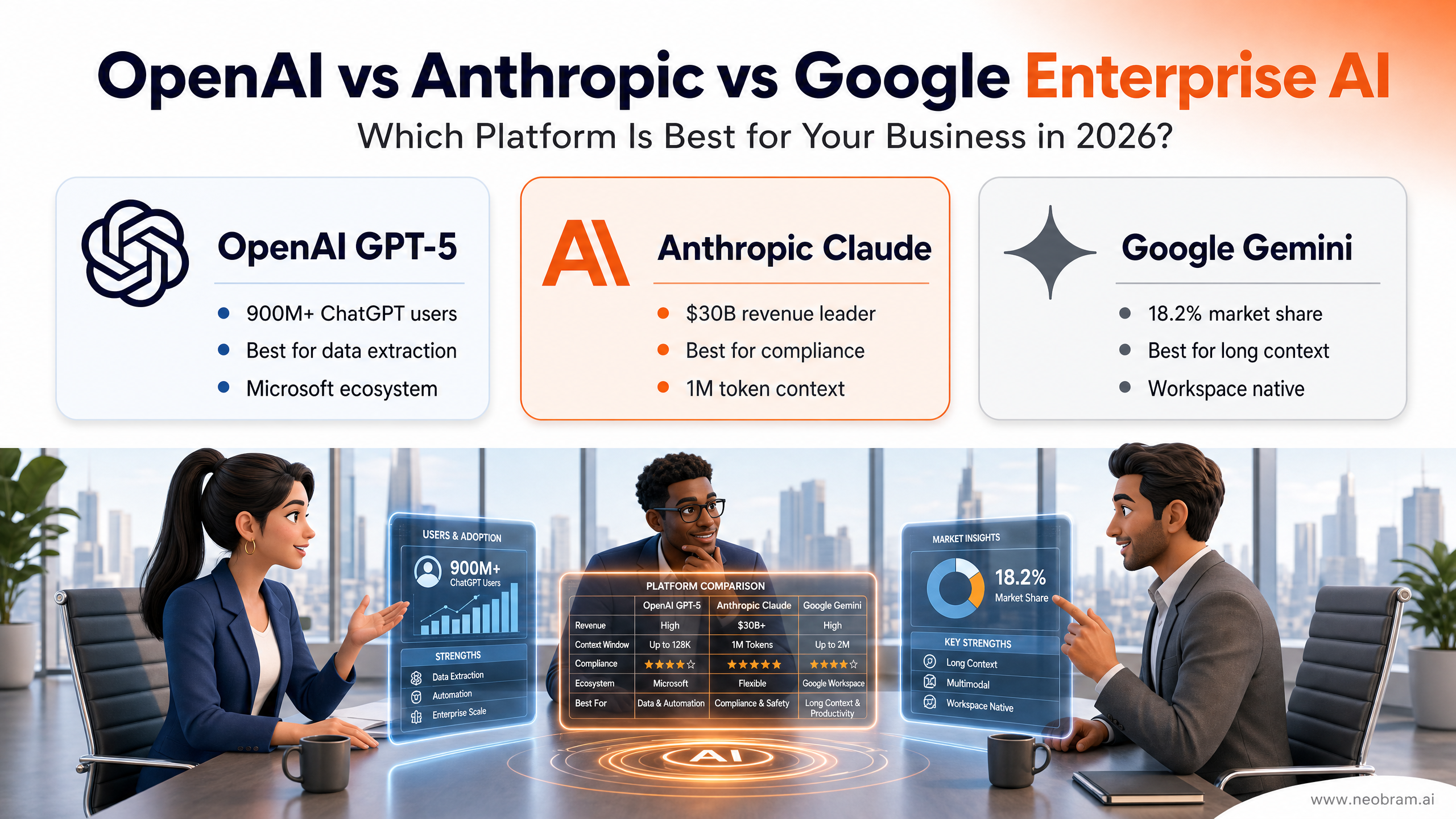
OpenAI vs Anthropic vs Google for Enterprise
A comprehensive 2026 comparison of OpenAI, Anthropic, and Google for enterprise AI deployments, covering pricing, data governance, and performance.
Read guide
Industrial AI Roadmap: The First 90 Days
A 90-day industrial AI roadmap for SMEs: choose one valuable use case, establish a baseline, test private deployment and transfer capability to your team.
Read guide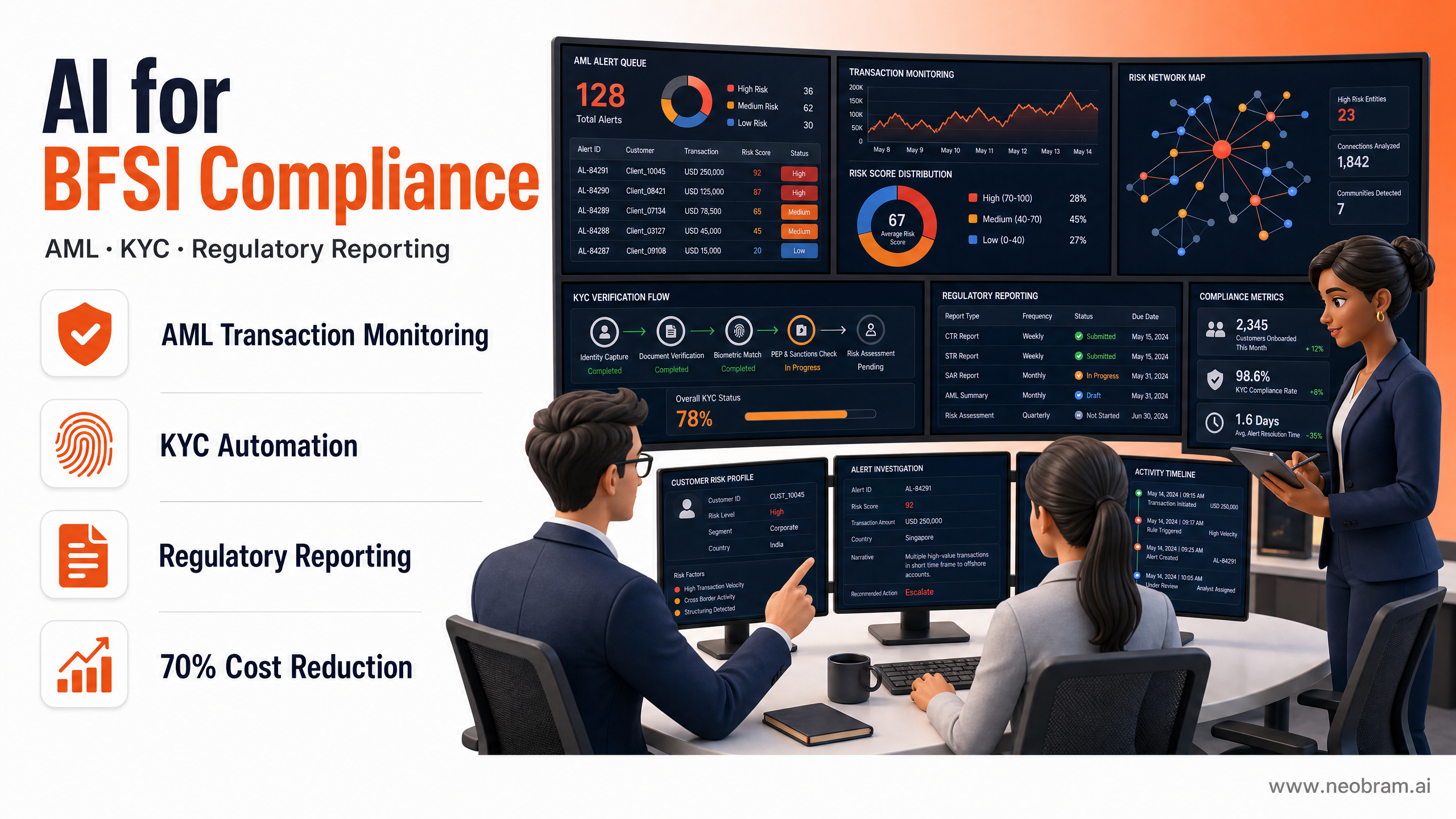
AI for BFSI Compliance: AML and KYC
How AI transforms AML monitoring, KYC and regulatory reporting in BFSI — cutting false positives, reducing KYC costs and making compliance preventive.
Read guide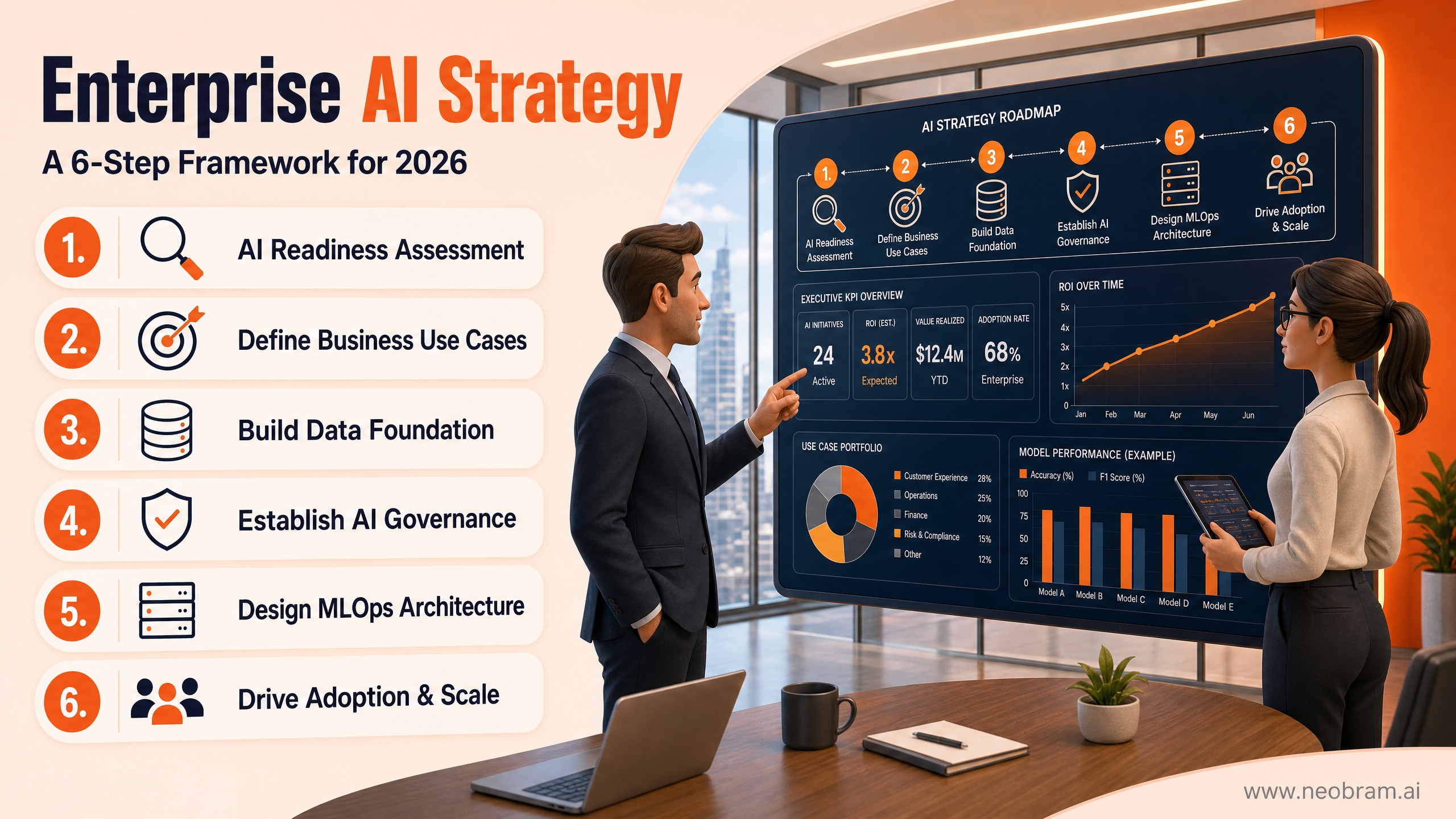
Enterprise AI Strategy: A 6-Step Framework
A practical 6-step framework for building an enterprise AI strategy that aligns business priorities, data infrastructure, and governance to deliver real ROI.
Read guide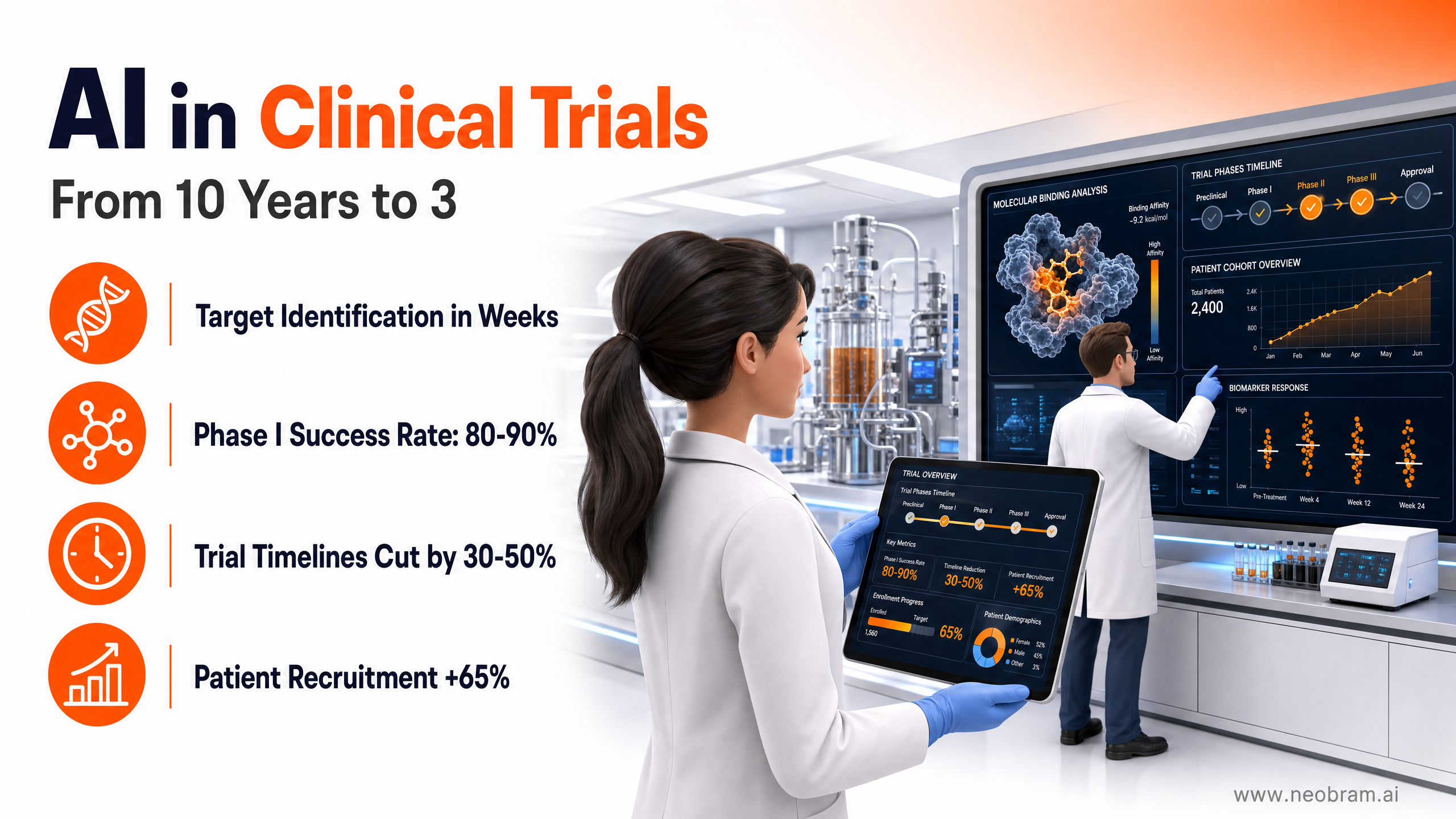
AI in Clinical Trials and Drug Discovery
AI is compressing drug development timelines from 10+ years to 3, with Phase I success rates of 80-90% for AI-discovered compounds. Here's how.
Read guide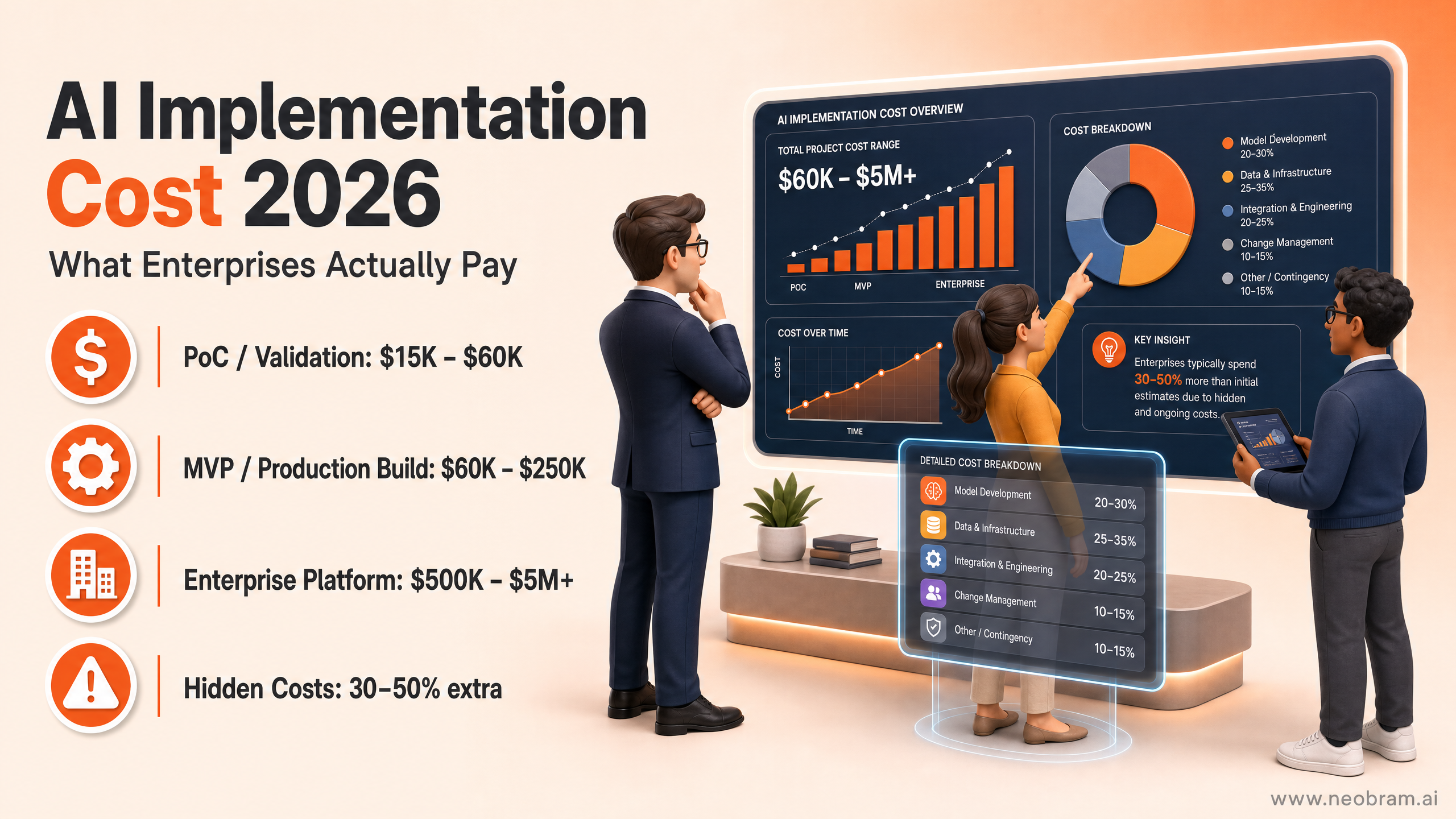
The Cost of AI Implementation in 2026
Real AI implementation costs for 2026: from $15K PoCs to $5M+ enterprise platforms, plus the hidden costs that blow up most budgets.
Read guide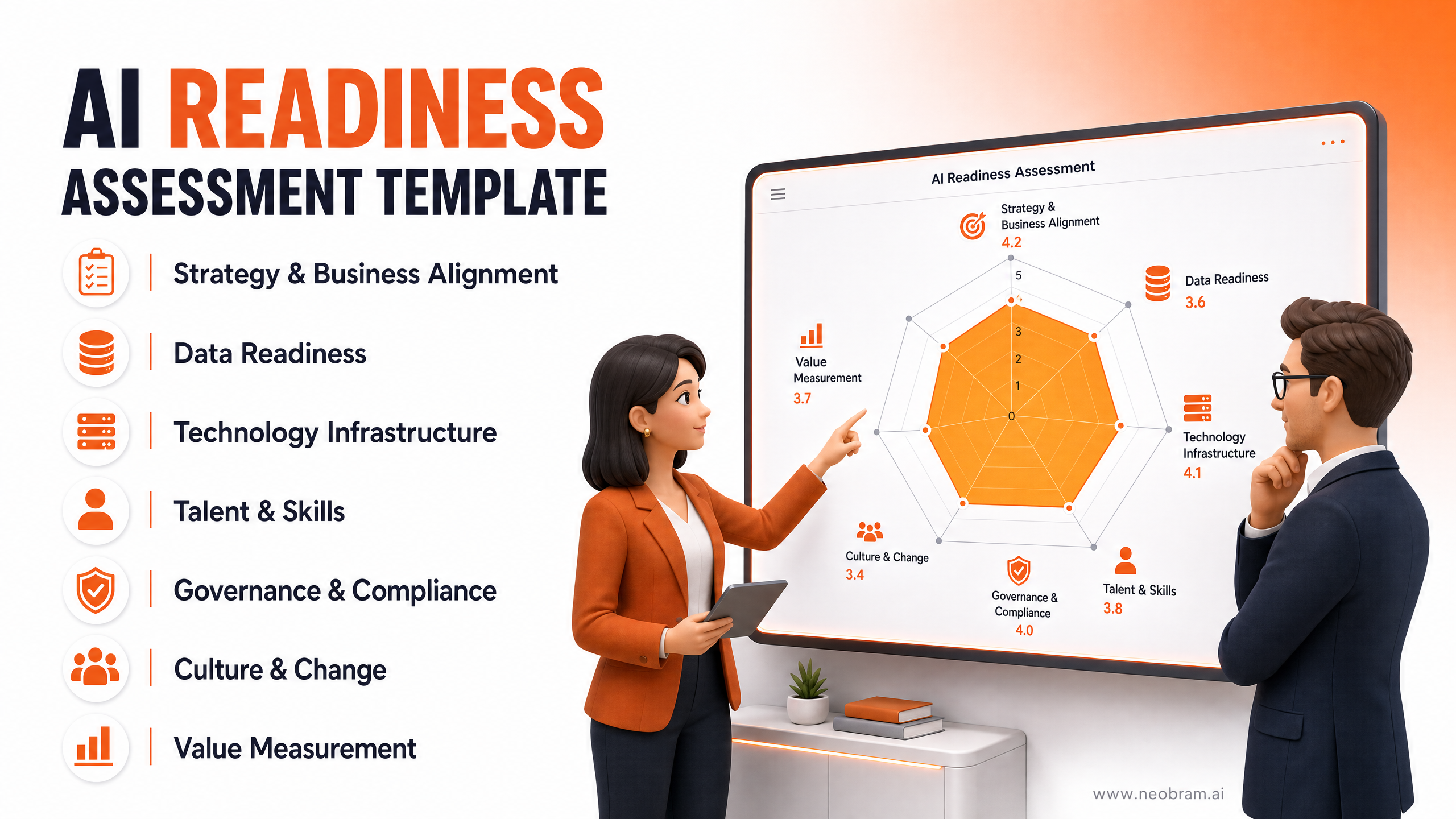
Free AI Readiness Assessment Template 2026
A practical AI readiness assessment template covering 7 critical domains. Score your organization and get a clear action plan for AI adoption.
Read guide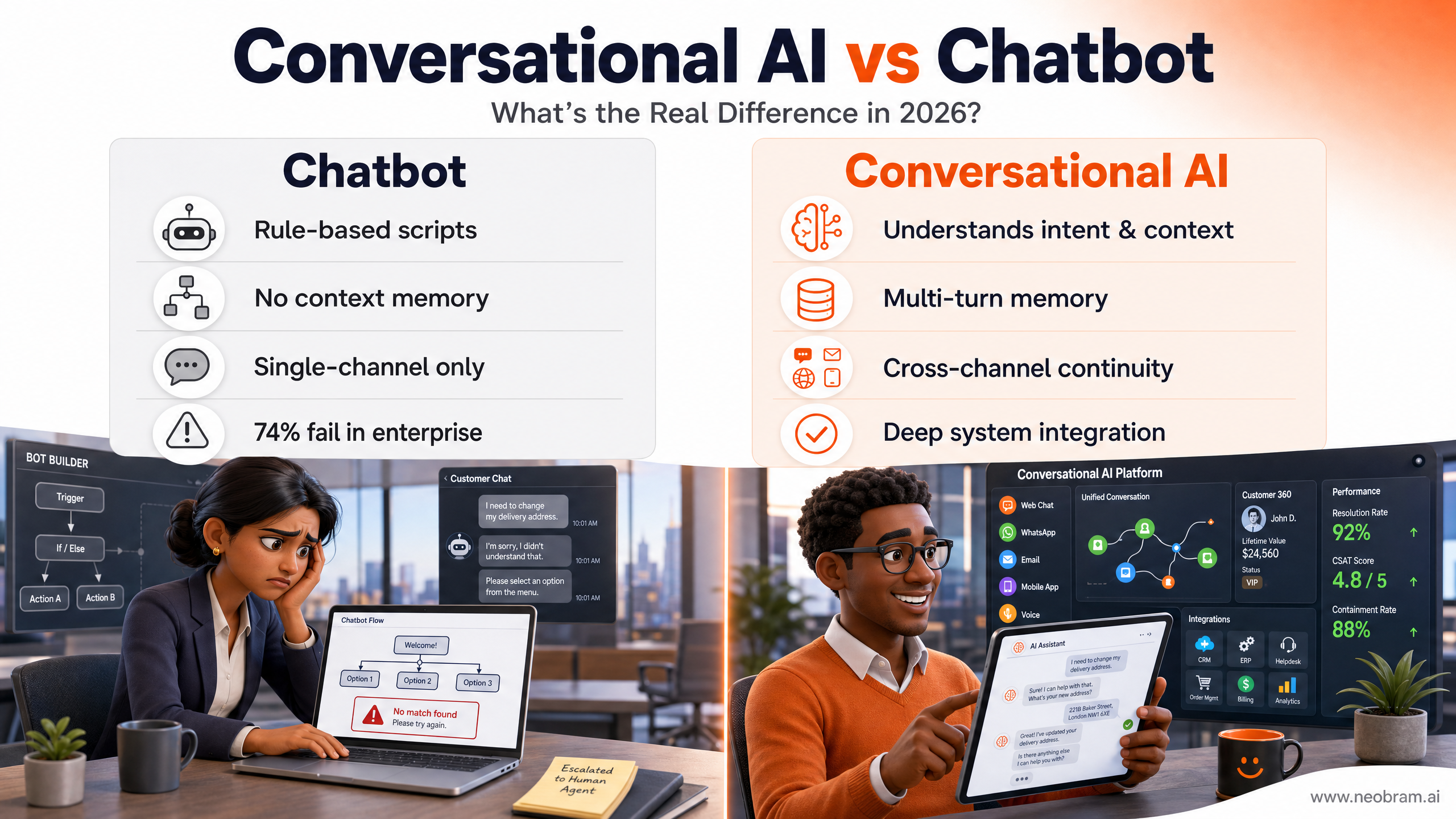
Conversational AI vs Chatbot: The Difference
Most chatbots are not conversational AI. Here's the real difference, and how to choose the right tool for your enterprise use case.
Read guide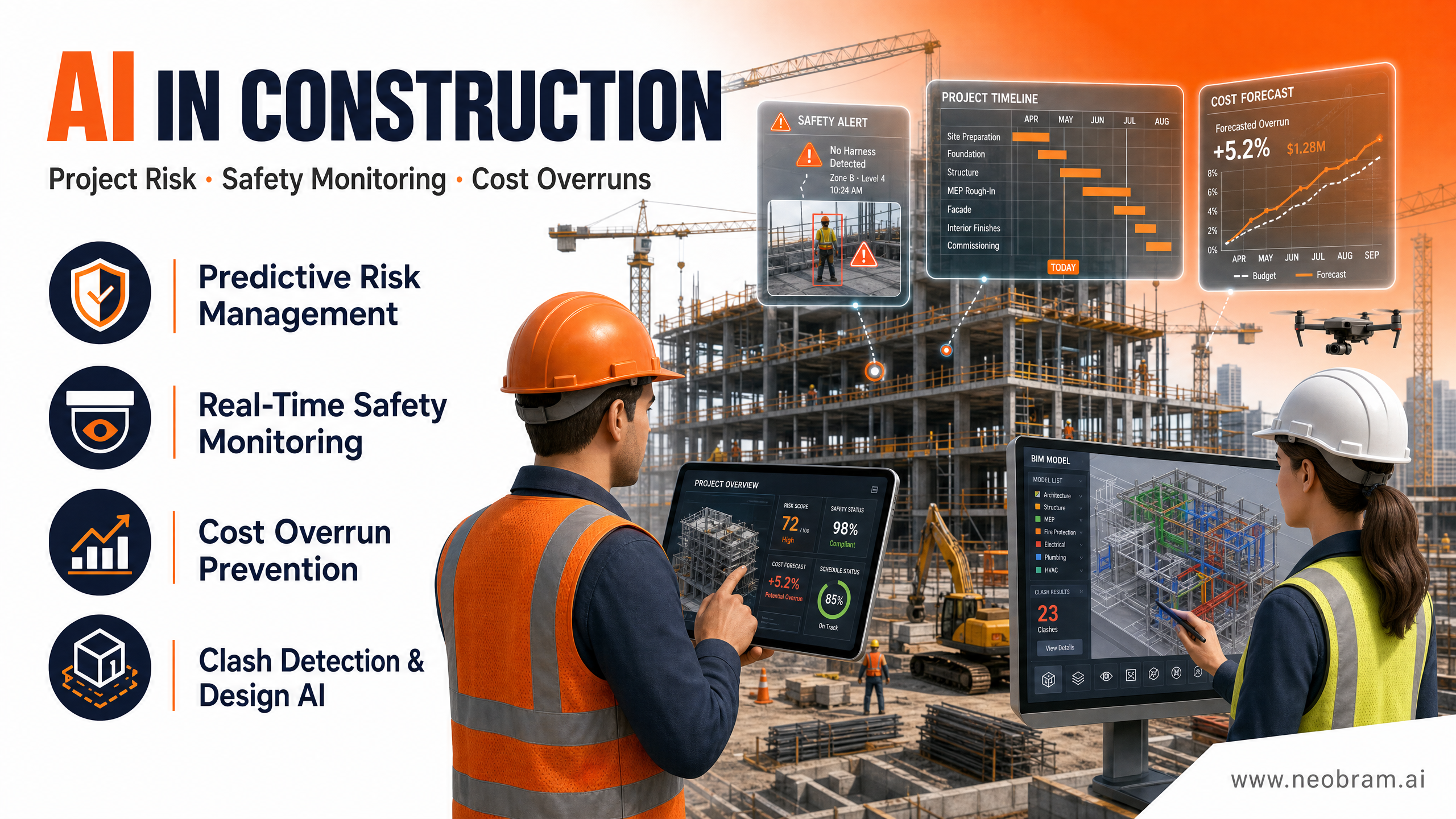
AI in Construction: Risk and Safety
How construction firms are using AI to predict project delays, monitor site safety in real-time, and prevent costly overruns before they happen.
Read guide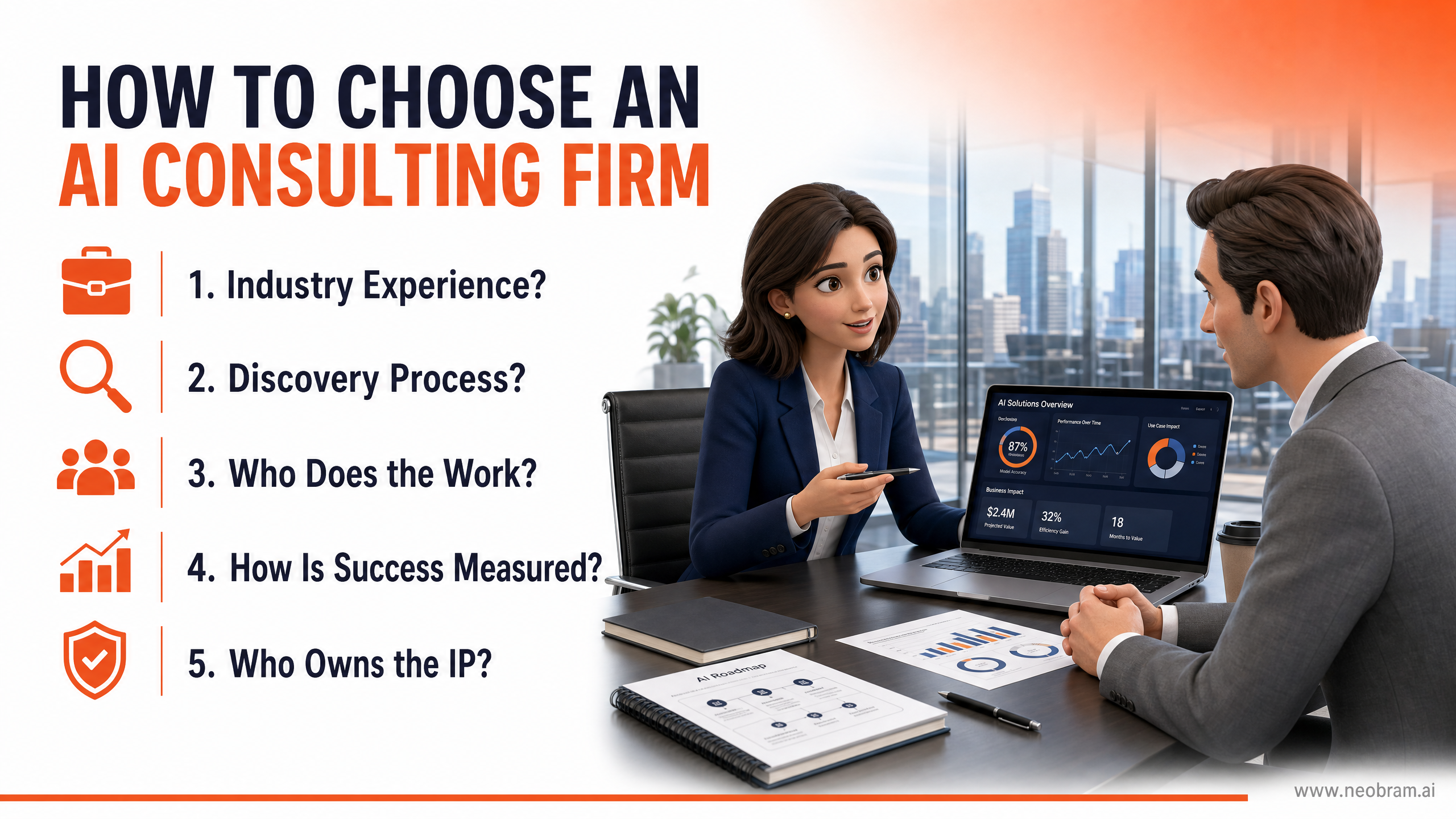
10 Questions to Ask an AI Consulting Firm
Over 80% of AI projects fail. These 10 questions will help you separate genuine AI expertise from consultant hype before you sign anything.
Read guide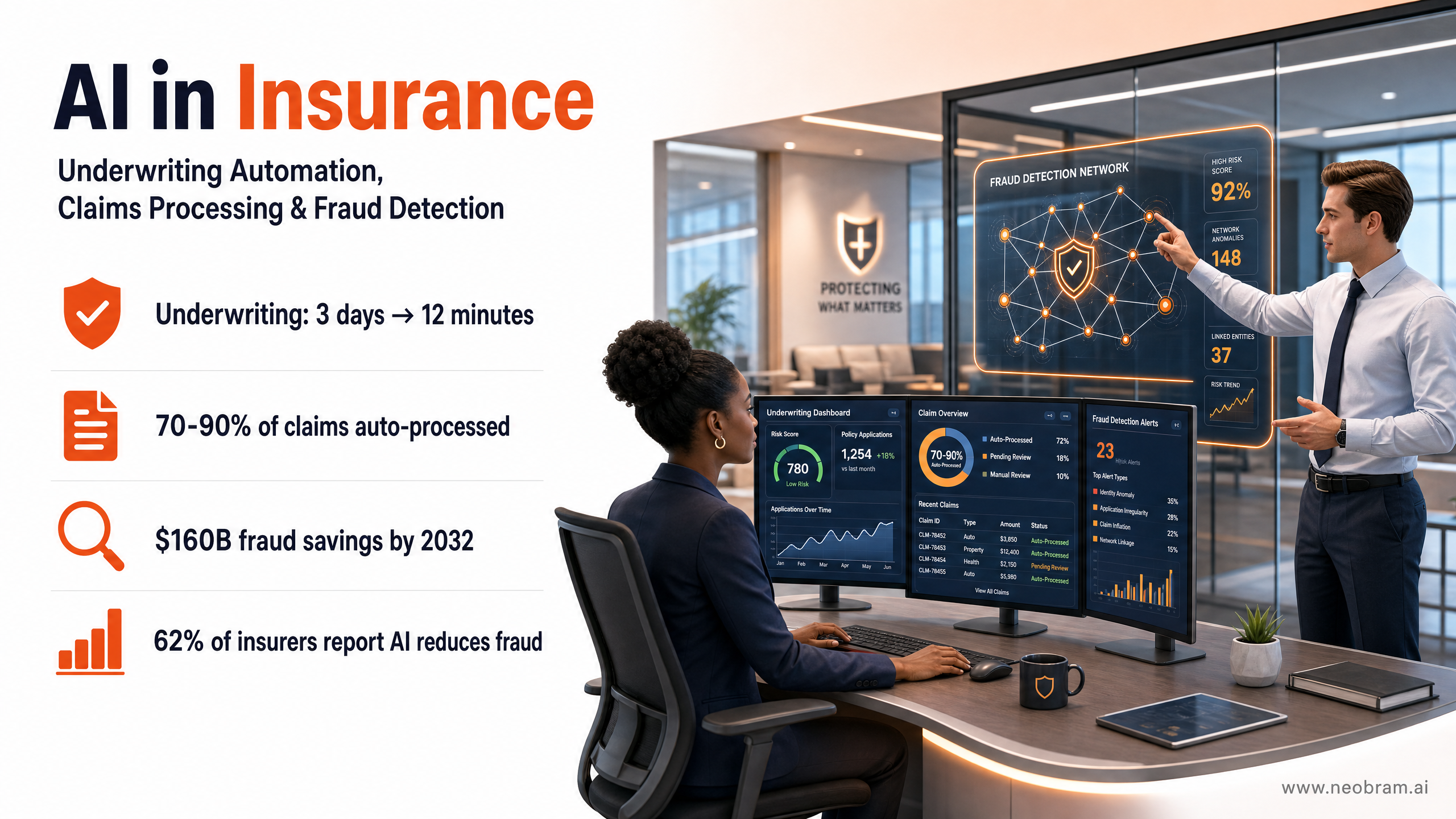
AI in Insurance: Underwriting and Claims
Discover how AI is transforming the insurance industry by reducing underwriting times from days to minutes, automating claims, and saving billions in fraud.
Read guide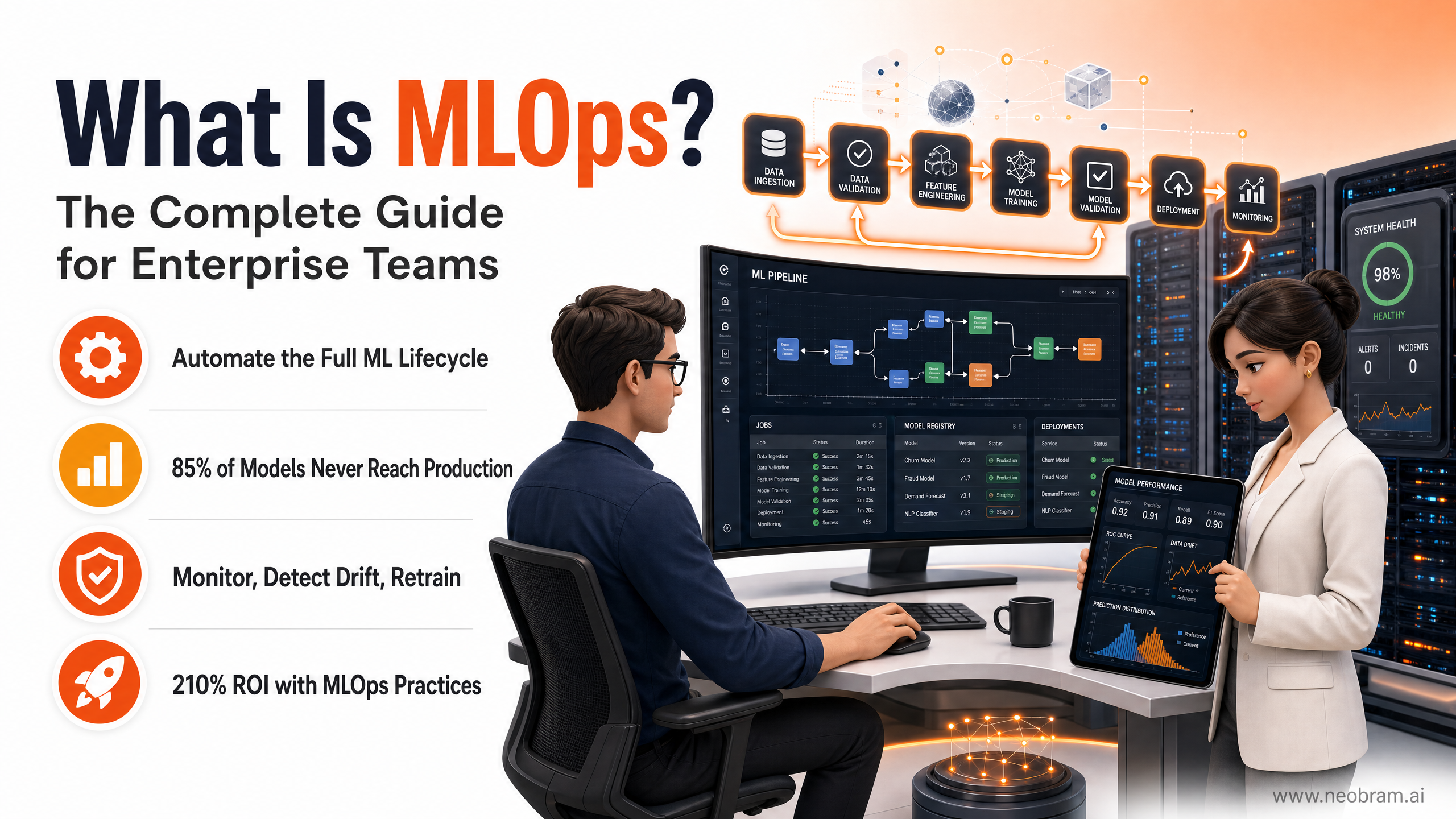
What Is MLOps? An Enterprise Guide
Learn what MLOps is, why enterprise teams need it, and how to build a practice that turns machine learning experiments into reliable business assets.
Read guide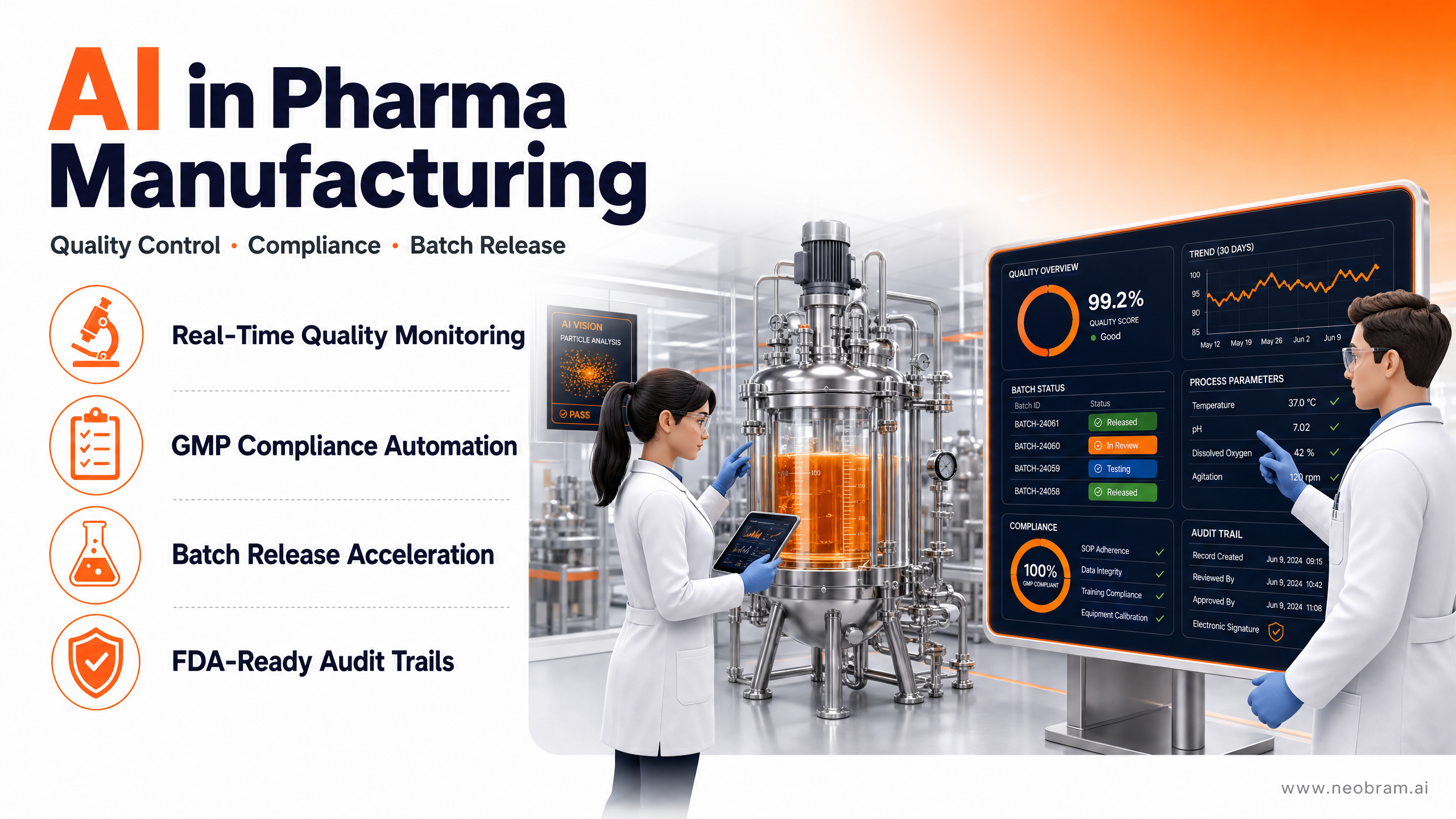
AI in Pharma Manufacturing: Quality & Compliance
How AI supports pharma quality control, GMP compliance and batch release — cutting review cycle times while still meeting FDA requirements.
Read guide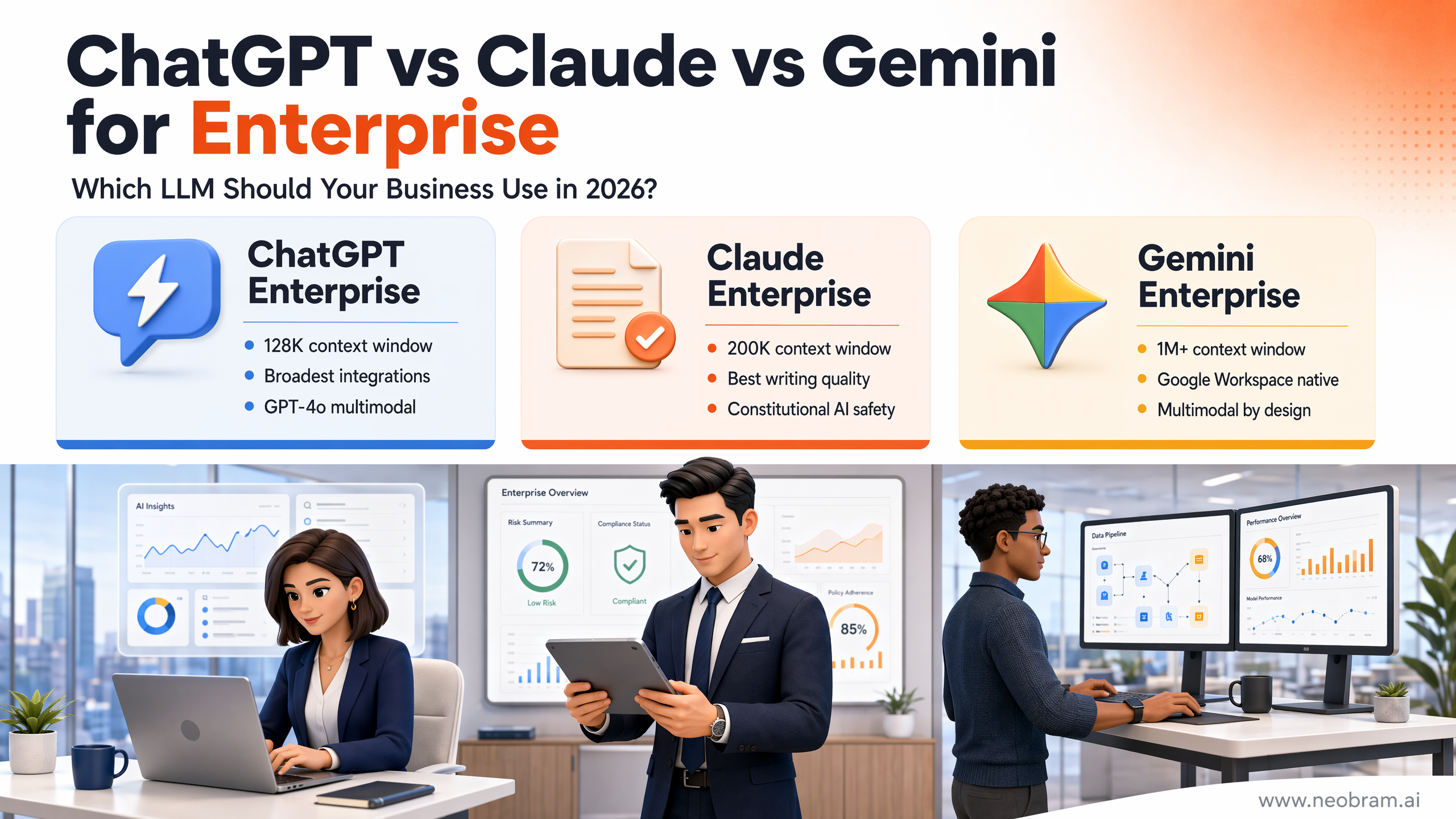
ChatGPT vs Claude vs Gemini for Enterprise
ChatGPT, Claude and Gemini compared for enterprise use in 2026 — coding, writing, research and data privacy — with guidance on which to pick.
Read guide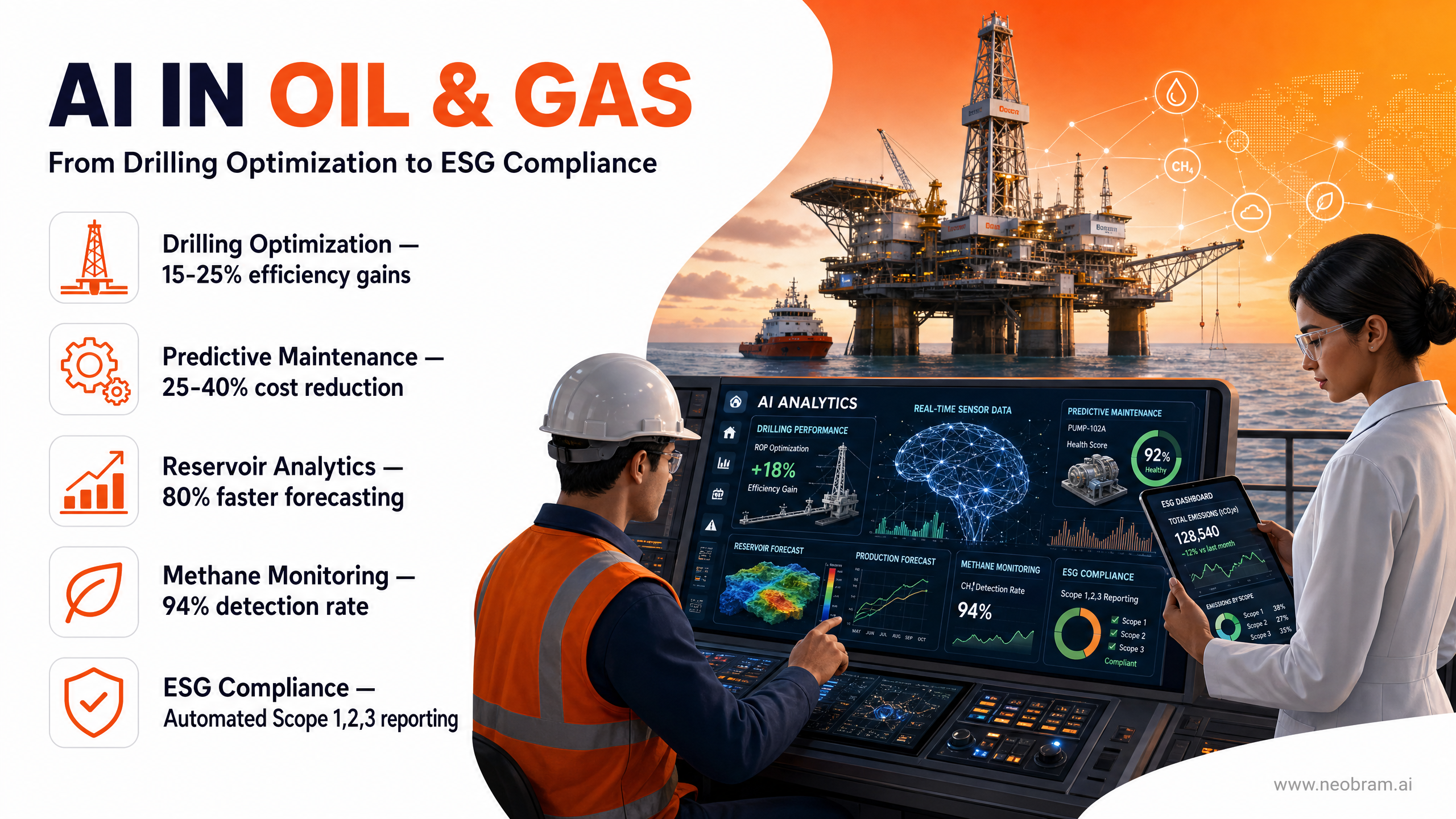
AI in Oil and Gas: Drilling to ESG
How AI is applied across the oil and gas value chain, from drilling optimization and reservoir management to methane monitoring and ESG compliance.
Read guide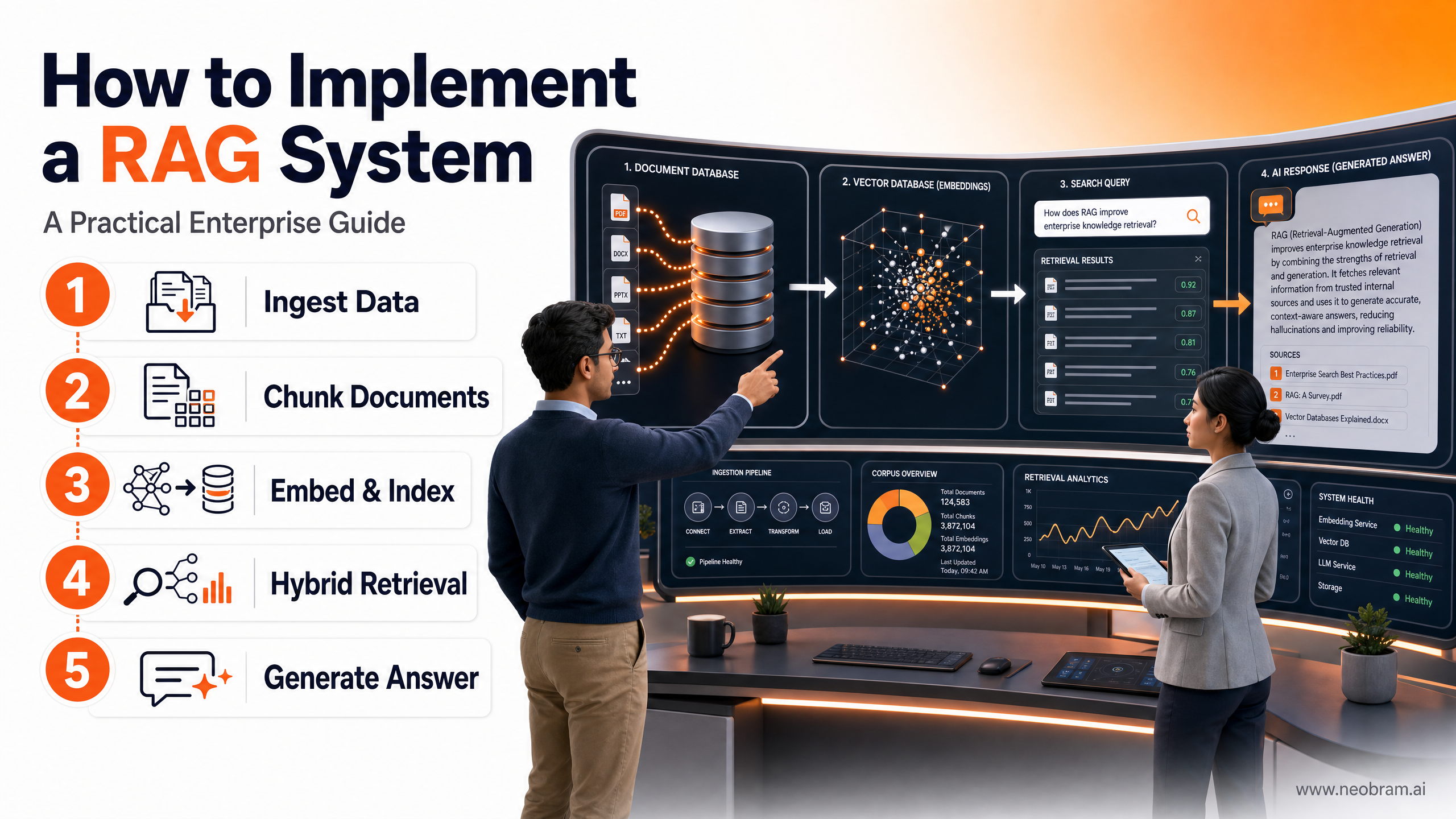
How to Implement an Enterprise RAG System
A step-by-step guide to implementing a production-grade RAG system in your enterprise, covering architecture, chunking, hybrid retrieval, and evaluation.
Read guide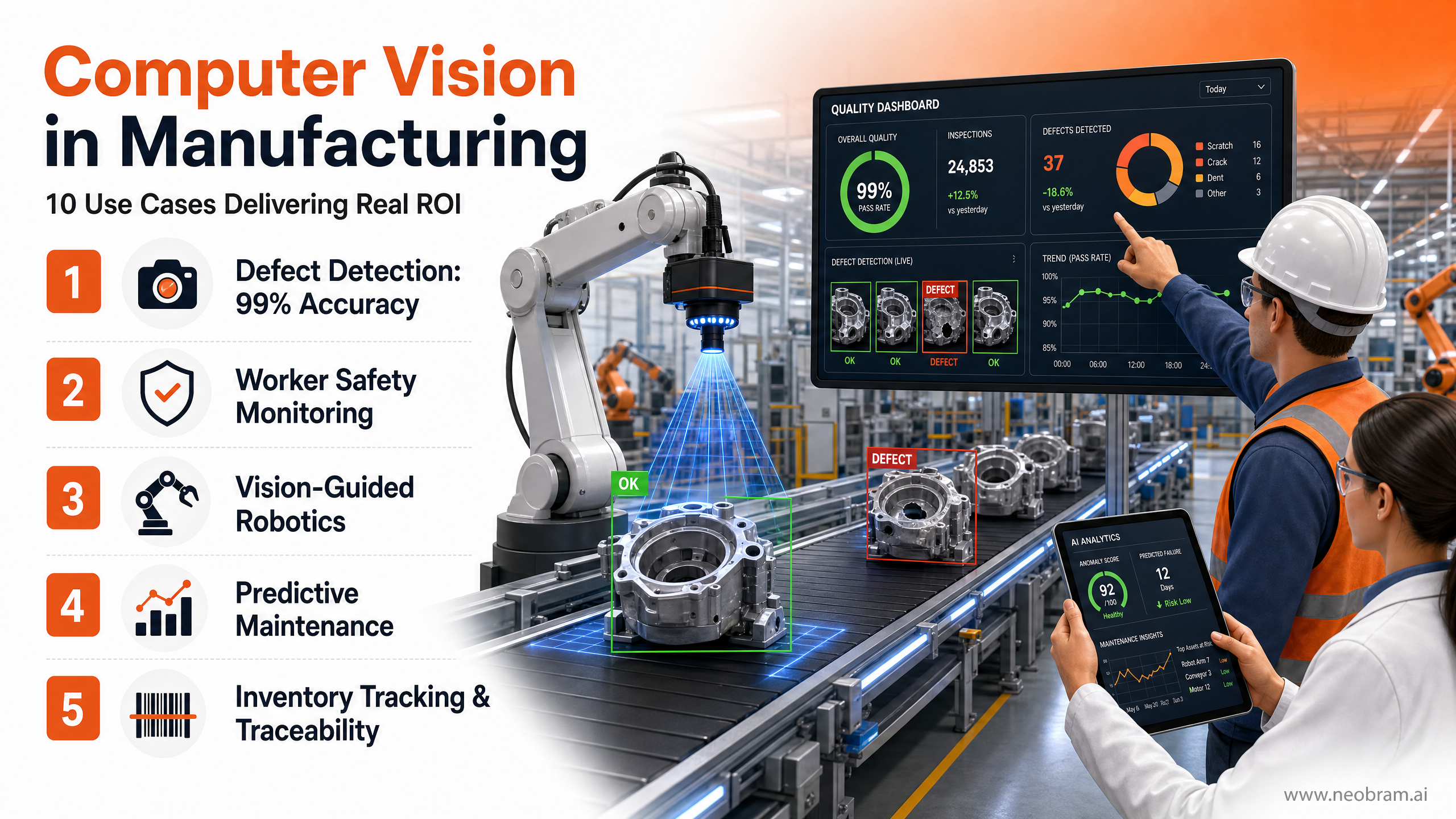
Computer Vision in Manufacturing: 10 Use Cases
From defect detection to predictive maintenance, discover 10 proven computer vision use cases in manufacturing with real ROI data and implementation guidance.
Read guide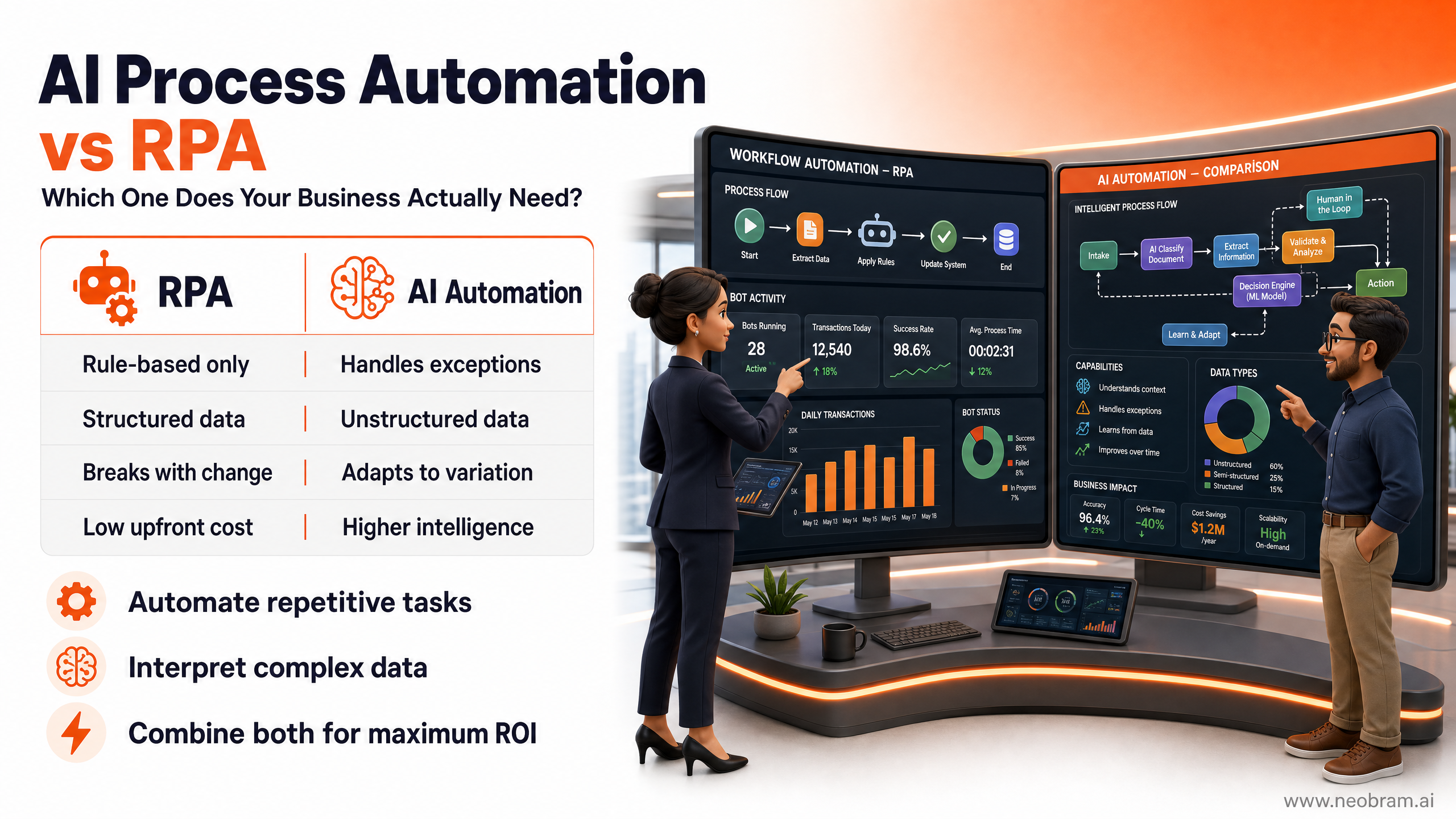
AI Process Automation vs RPA: Which Wins?
What AI process automation and RPA each do well, where each breaks down, and how to choose the right automation approach for your business processes.
Read guide
AI Governance Framework for Enterprises
A complete guide to building an enterprise AI governance framework in 2026. Learn the six pillars, core standards, and how to govern agentic AI systems.
Read guide
How to Choose an Industrial AI Company
Platform suite, point solution, hyperscaler or build partner? A framework for evaluating industrial AI companies — with questions that separate vendors.
Read guide
How AI Is Changing Healthcare RCM in 2026
Claim denial rates are above 10% and rising. How AI is changing healthcare RCM in 2026, from eligibility verification to denial prevention.
Read guide
RAG vs Fine-Tuning for Enterprise AI
RAG and fine-tuning both make LLMs more useful for enterprise contexts. Learn the real differences, costs, and when to use each approach.
Read guide
Generative AI Use Cases in Banking
Fifteen real generative AI use cases in banking delivering measurable ROI in 2026, from fraud detection to AML automation and personalized service.
Read guide
Predictive Maintenance ROI: What to Expect
A step-by-step framework for calculating predictive maintenance ROI: downtime savings, payback assumptions and the inputs that actually matter.
Read guide
AI for Small Business: Where to Start
A practical, jargon-free guide for small business owners ready to adopt AI, featuring proven use cases, realistic budgets, and a step-by-step 90-day roadmap.
Read guide
LangChain vs LangGraph vs CrewAI in 2026
An engineering-first comparison of LangChain, LangGraph and CrewAI in 2026, evaluating architecture, token efficiency and production readiness.
Read guide
How to Build an AI Agent from Scratch
A practical, step-by-step engineering guide to building secure, autonomous AI agents from scratch using deterministic loops, memory, and robust guardrails.
Read guideAI in Manufacturing 2026: The Playbook
Discover how artificial intelligence and agentic workflows are reshaping factory floors in 2026, driving OEE gains, and reducing unplanned downtime.
Read guide
What Is an AI Agent? A Business Guide
Discover what AI agents are, how they differ from simple chatbots, and how they can automate complex workflows to drive enterprise efficiency.
Read guide
Why Bangalore Leads Enterprise AI Consulting
Discover why Bangalore has become the primary hub for enterprise AI transformations, and what to look for when choosing a local AI consulting partner.
Read guide
How to Audit AI Readiness Across Your Company
Only 13% of companies are truly ready for AI. Learn how to run a rigorous AI readiness assessment across six dimensions and build a prioritized action plan.
Read guide
Agentic AI for Enterprise: Complete Guide
The definitive 2026 guide to agentic AI for enterprise leaders. Learn how AI agents differ from generative AI, top use cases, and how to implement them safely.
Read guide
Build vs Buy: AI Team or Consultants?
AI consulting vs in-house teams in 2026: real costs, timelines, and a decision framework for CTOs and CEOs in manufacturing, BFSI, pharma and EPC.
Read guide
Agentic AI Workflow Automation for Enterprise
Explore how agentic AI is transforming enterprise workflows in 2026, replacing RPA with autonomous, goal-driven intelligence for CIOs and IT directors.
Read guide
Generative AI in BFSI: Banking & Insurance
How banks and insurers apply generative AI to customer onboarding, document processing and regulatory reporting — and where the real value is.
Read guide
Predictive Maintenance AI for Upstream Oil & Gas
How upstream oil and gas operators use predictive maintenance AI to prevent equipment failures, protect production uptime and reduce OPEX.
Read guide
Choosing an Enterprise AI Consulting Partner
Evaluation criteria, red flags, pricing models and the key questions to ask AI vendors before you commit to an enterprise AI consulting partner.
Read guide
AI for Construction Cost Overruns
How AI helps large EPC and infrastructure projects control cost overruns and schedule delays with predictive analytics and real-time monitoring.
Read guide
LLMOps: Operationalizing LLMs in Production
LLMOps for enterprise teams: model versioning, prompt management, monitoring, cost optimization and governance for LLMs running in production.
Read guide
AI Healthcare Revenue Cycle Management
How hospitals and health systems use AI across the revenue cycle to automate prior authorization, claims, denial management and coding accuracy.
Read guide
Hermes Agent & OpenClaw in Manufacturing
A private-deployment architecture for Hermes Agent and OpenClaw in manufacturing: read-only workflows, sandboxing, allowlists and human approval.
Read guideAI Tender Review for EPC Contractors
How EPC teams extract tender requirements, build a traceability matrix and prepare compliant proposals without losing source wording or judgement.
Read guide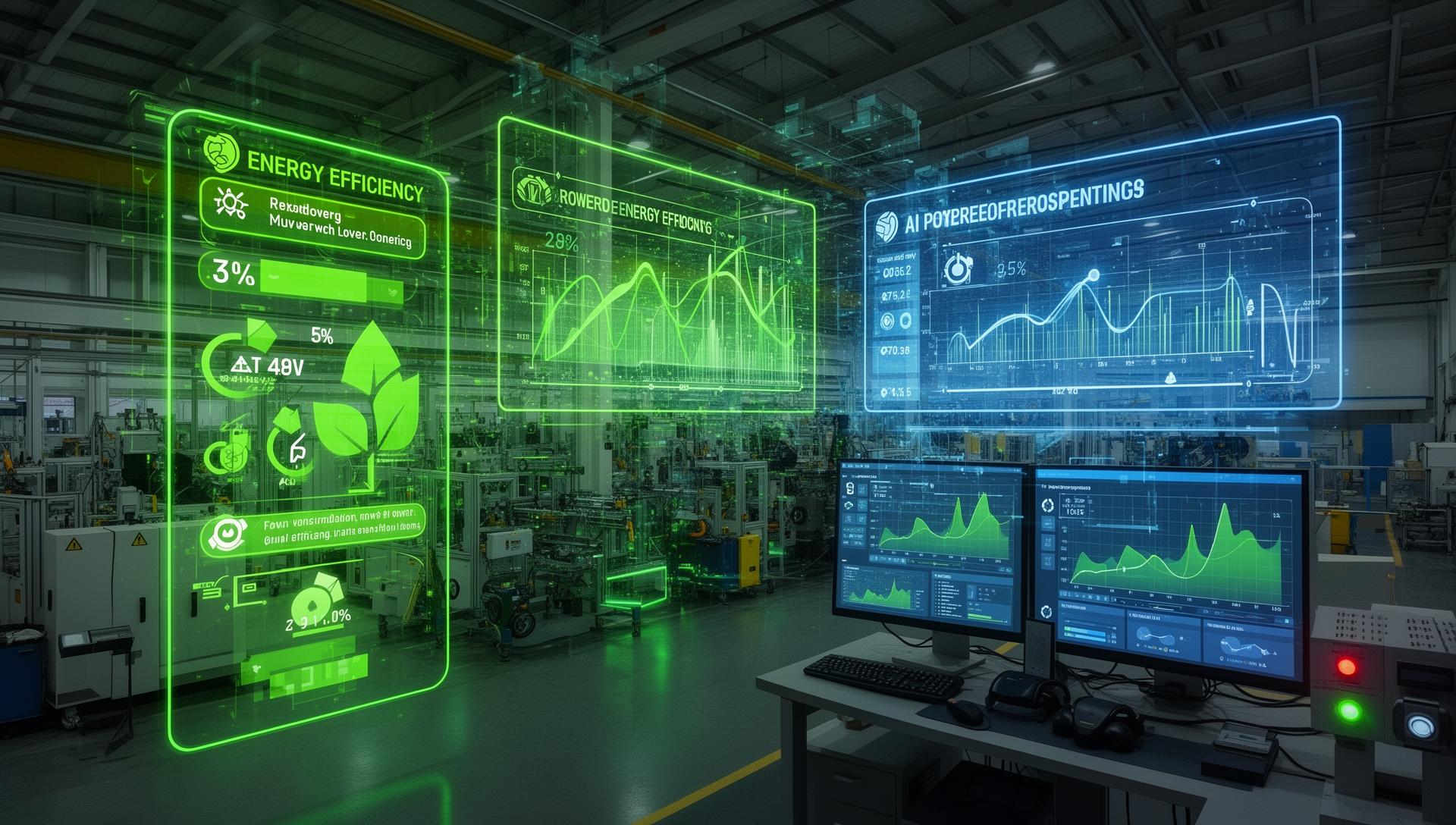
How AI Cuts Manufacturing Energy Costs
Manufacturers waste 40% of energy through inefficient equipment. AI-driven optimization cuts energy costs 8 15% - without capital equipment upgrades.
Read guide
Ambient AI Clinical Documentation
AI-powered ambient listening technology is automatically generating clinical documentation, giving physicians back 2 hours per day for patient care.
Read guide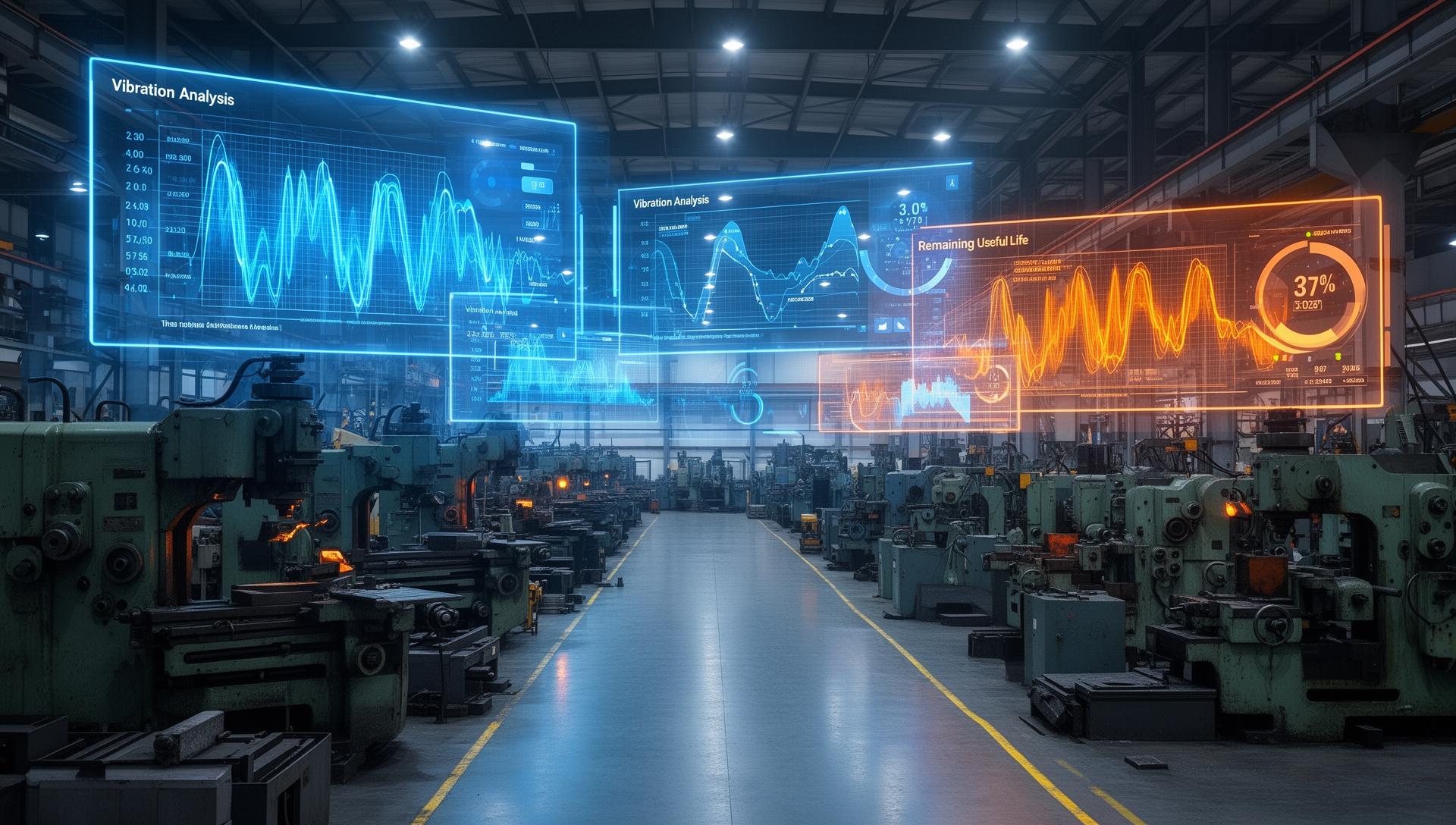
The $50B Cost of Unplanned Downtime
U.S. manufacturers lose $50 billion yearly to unplanned downtime. AI predictive maintenance detects equipment failure weeks early. Here's how it works.
Read guide
AI Hospital Operations Optimization
How AI-driven operations management helps hospitals cut patient wait times, optimize bed utilization and improve flow with intelligent scheduling.
Read guide
AI Medical Imaging and Diagnostics
How deep-learning medical imaging detects cancers, fractures and neurological conditions earlier — enabling faster intervention and better outcomes.
Read guideAI for Pharma Deviation Investigations
A GxP-aware pattern for using AI to organize deviation evidence, find similar records and draft investigation material under quality-unit authority.
Read guide
How Vision AI Cuts Manufacturing Defect Rates
Manufacturers lose 15 20% of revenue to poor quality. Vision AI detects defects with 99% accuracy - faster and cheaper than human inspectors. Learn how.
Read guide
AI Code Generation and Developer Copilots
How AI code generation and developer copilots lift engineering team productivity and code quality — and how to adopt them without new risks.
Read guide
RAG for Enterprise Knowledge Management
How Retrieval-Augmented Generation lets enterprises build AI systems grounded in their own knowledge and deliver accurate, contextual answers.
Read guide
AI Agents for Enterprise IT Automation
How autonomous AI agents handle incident resolution, infrastructure management and service-desk queries across enterprise IT operations at scale.
Read guide
Generative AI for Engineering Design
How generative AI design exploration finds structural options human engineers might never consider — cutting design time and material costs in EPC.
Read guide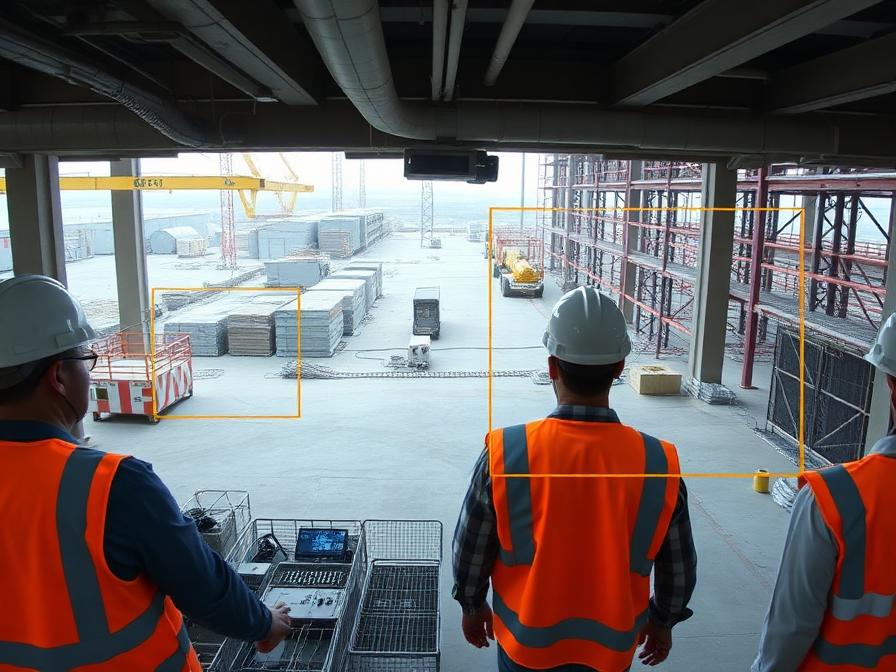
Computer Vision for Construction Site Safety
How AI camera systems detect PPE violations, unsafe behaviour and hazardous conditions on construction sites in real time to reduce injuries.
Read guide
AI Project Management in Construction
How EPC firms use AI-assisted project management to predict and prevent cost overruns and keep large projects on schedule and within budget.
Read guide
How AI Emissions Monitoring Supports ESG Goals
How AI emissions monitoring helps oil and gas operators detect, quantify and reduce greenhouse gas emissions to meet tightening ESG targets.
Read guide
AI Drilling Optimization with Machine Learning
Machine learning algorithms are optimizing drilling parameters in real-time, reducing well costs by 20% and improving safety outcomes across 200+ well programs.
Read guide
AI Predictive Analytics for Oil & Gas
How oil and gas operators use AI predictive analytics to prevent equipment failures and cut operating costs — roadmap, stack and ROI benchmarks.
Read guide
AI in the Pharma Cold Chain: Cutting Drug Waste
AI is transforming pharmaceutical supply chains, preventing drug waste through intelligent cold chain monitoring and demand forecasting.
Read guideAI Turnaround Planning: Data Readiness Guide
How refineries use AI in turnaround planning to prepare work packs, compare scope and surface schedule risk while humans keep safety decisions.
Read guide
AI Chatbots and Vision for Pharma Production
How pharmaceutical manufacturers use factory-floor AI chatbots and production-line computer vision to reduce errors and support compliance.
Read guide
Conversational AI in Banking Customer Service
How conversational AI in banking moves beyond FAQ bots to handle transactions, financial guidance and complaint resolution in customer service.
Read guide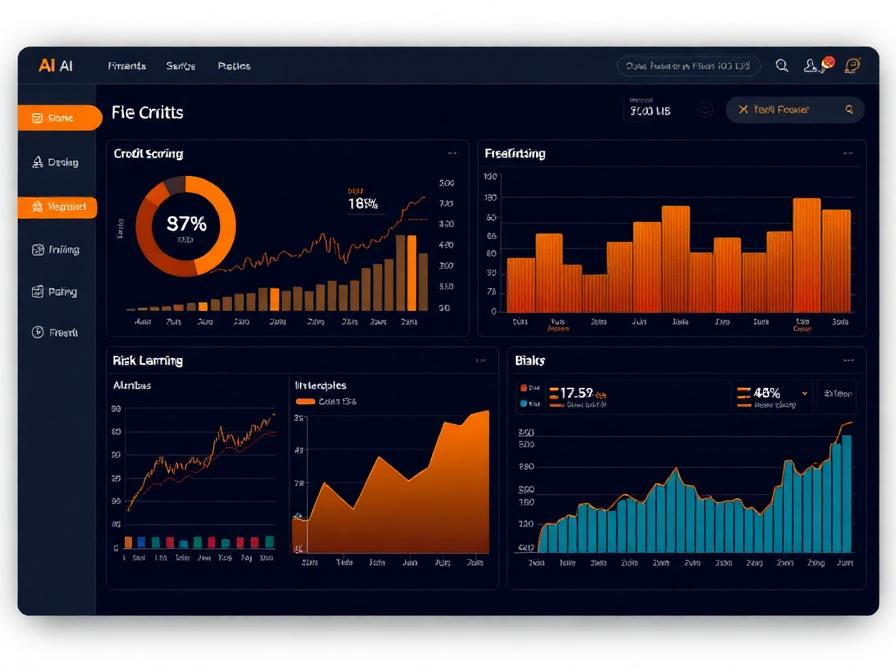
AI Credit Scoring and Risk Management
AI-powered credit scoring models are helping financial institutions reduce default rates by 25% while approving 30% more previously underserved applicants.
Read guide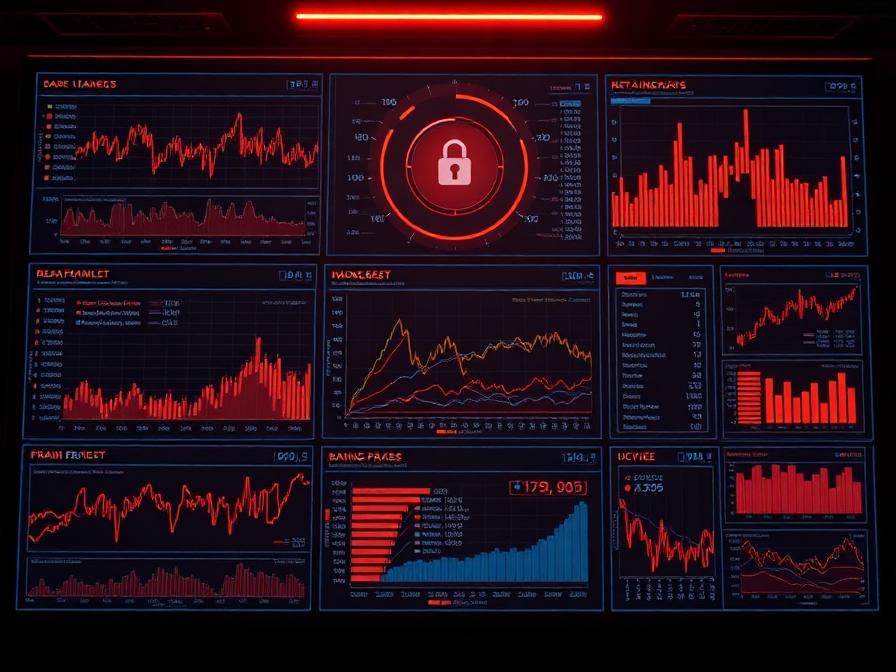
AI Fraud Detection in Banking
Banks leveraging AI for fraud detection and document processing are seeing 60% fewer false positives and processing loans 5x faster.
Read guide
How Digital Twin AI Optimizes Production Lines
Digital twin technology powered by AI enables manufacturers to simulate production changes virtually, eliminating costly trial-and-error on the factory floor.
Read guide
AI Knowledge Transfer in Manufacturing
A practical method for capturing experienced-worker knowledge and grounding AI answers in approved plant documents as your workforce retires.
Read guide
Predictive Maintenance AI Agents in the Factory
How predictive maintenance AI agents reduce unplanned downtime and maintenance cost on the factory floor — and what it takes to deploy them.
Read guide